People confuse PPF and vinyl wrap constantly. They look similar on the shelf but do completely different things. They're both films applied to your vehicle's exterior, but they exist for completely different reasons. One protects your paint. The other changes how it looks. At ACR Detailing in Scarborough, we install PPF regularly and get asked about vinyl wrap comparisons almost daily. Here's the breakdown from someone who works with these materials hands-on.
What Is Paint Protection Film (PPF)?
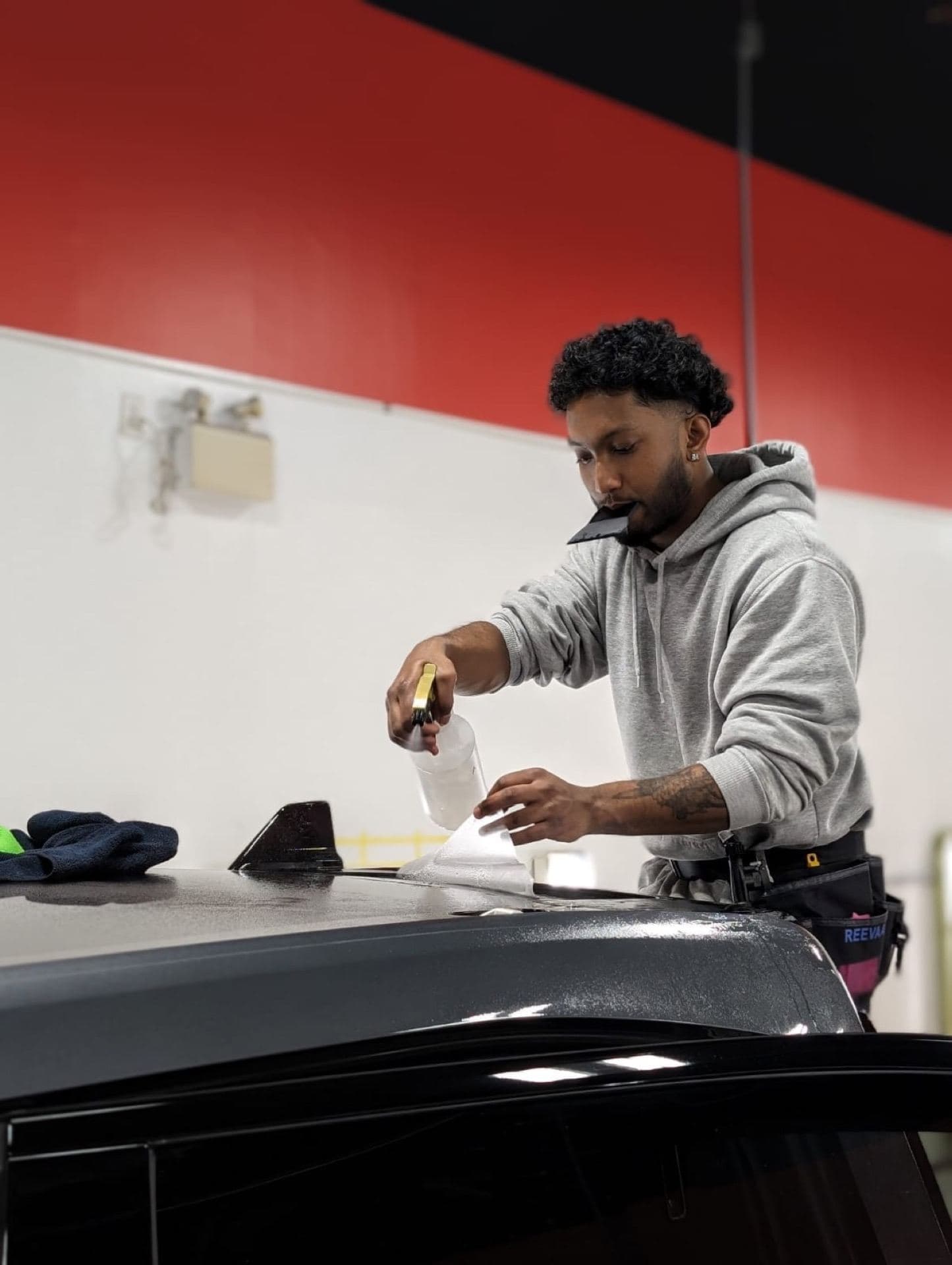
Paint protection film is a clear, thermoplastic urethane film designed to shield your vehicle's paint from physical damage. It's typically 6 to 8 mils thick — significantly thicker than vinyl wrap — and engineered to absorb impacts that would otherwise chip, scratch, or gouge your clear coat.
Modern PPF is self-healing. Light scratches and swirl marks in the film disappear when exposed to heat, whether from the sun, warm water, or a heat gun. The film is optically clear, meaning a quality installation is virtually invisible. Nobody should be able to tell your car has PPF on it unless they look very closely at the edges.
PPF is applied to high-impact areas: the hood, front bumper, fenders, mirrors, rocker panels, door edges, and behind the door handles. Full-vehicle PPF wraps are also available for owners who want total coverage.
At ACR, our PPF packages range from $800 for partial coverage to $5,500 for a full vehicle wrap, depending on the vehicle size and the coverage you choose. We have a PPF Configurator on our website that lets you build a custom package and see pricing in real time.
What Is Vinyl Wrap?
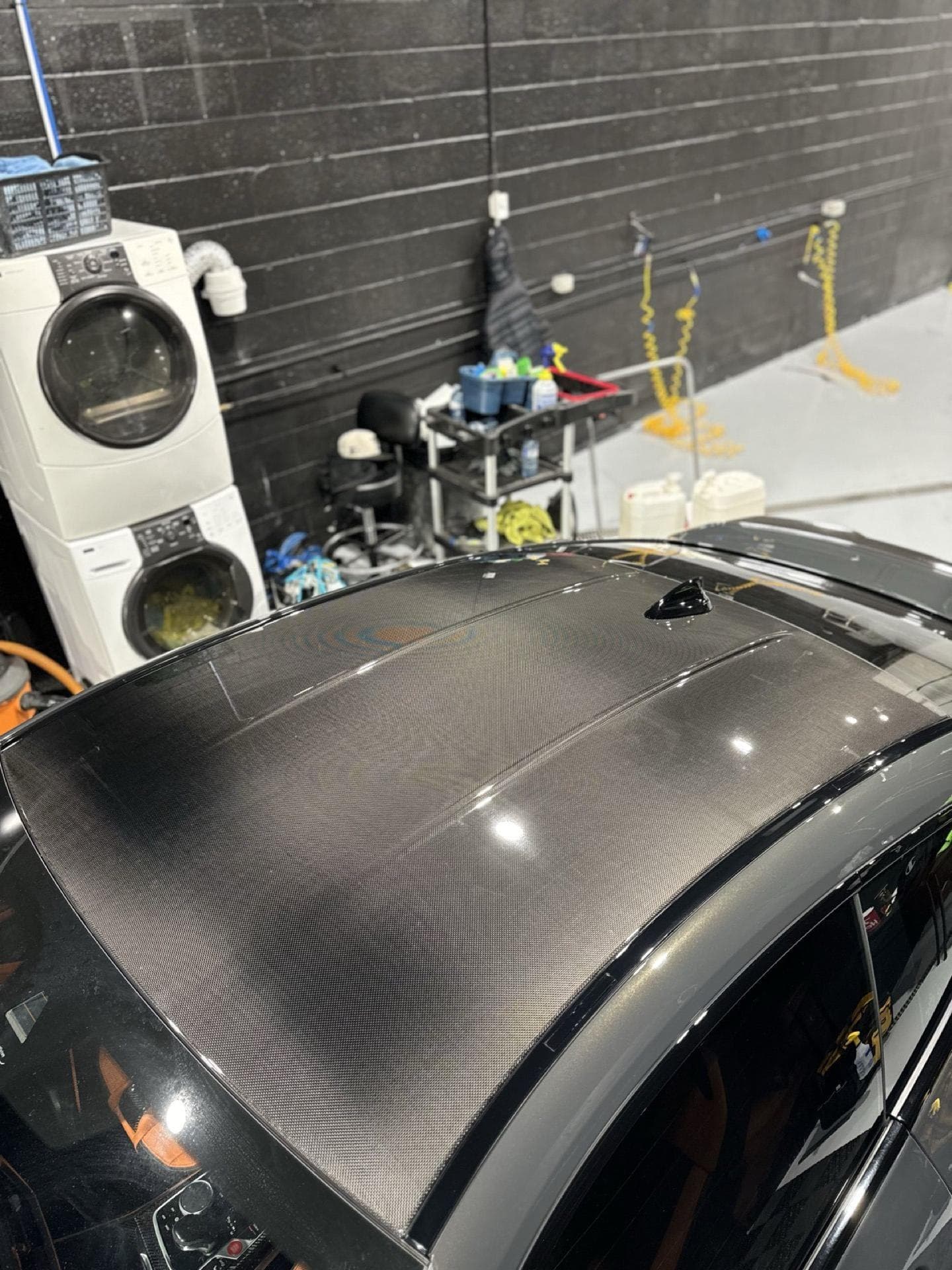
Vinyl wrap is a thin, adhesive-backed film applied to change your vehicle's color or finish. It comes in hundreds of colors and textures — matte, gloss, satin, metallic, carbon fiber, brushed metal, chrome, and more. Vinyl wrap is an aesthetic product. Its primary purpose is to transform how your vehicle looks, not to protect the underlying paint from damage.
Vinyl is typically 3 to 4 mils thick — roughly half the thickness of PPF. It's a softer material that conforms well to complex body curves but doesn't have the impact resistance or self-healing properties of PPF.
A full vinyl color change wrap typically costs $3,000 to $6,000 depending on the vehicle and the complexity of the installation. Partial wraps — a roof, mirrors, or accent panels — cost less.
Key Differences Between PPF and Vinyl Wrap
Purpose
This is the fundamental distinction. PPF is protection. Vinyl is cosmetic.
PPF absorbs rock chips, road debris, bug impacts, and minor abrasions so your paint doesn't have to. It exists to keep your factory paint in pristine condition underneath.
Vinyl changes your car's appearance. It covers your paint with a new color or texture. It does provide a minimal barrier against UV exposure and very light scratches, but it's not designed to take impacts. A rock chip will go through vinyl and into your paint.
Thickness and Impact Resistance
PPF at 6 to 8 mils is engineered for impact absorption. The urethane material stretches and absorbs energy from debris, then returns to its original shape. This is why a rock that would chip bare paint bounces off PPF without leaving a mark.
Vinyl at 3 to 4 mils is thinner and made from PVC, not urethane. It doesn't absorb impacts the same way. A rock chip that hits a vinyl-wrapped panel will likely leave a visible mark in the vinyl and potentially damage the paint underneath.
Self-Healing
PPF's self-healing properties are a genuine differentiator. Light scratches and swirl marks from washing disappear with heat exposure. This keeps the film looking clean and clear for years without needing to be polished.
Vinyl does not self-heal. Scratches in vinyl are permanent. Over time, regular washing and incidental contact accumulate visible scratches in the vinyl surface — particularly noticeable on dark or matte finishes.
Clarity and Appearance
PPF is designed to be invisible. High-quality PPF has excellent optical clarity and doesn't alter your vehicle's color or finish. The goal is for your paint to look exactly as it does — just protected.
Vinyl is designed to be visible. The whole point is to change your car's appearance. Even "clear" vinyl wrap doesn't match PPF in optical clarity and isn't used as a substitute for PPF protection.
Durability and Lifespan
PPF typically lasts 5 to 10 years before it needs replacement. Premium films with proper care can push beyond that. The film gradually yellows or hazes over many years, but modern formulations have excellent UV resistance.
Vinyl typically lasts 3 to 5 years. It's more susceptible to UV degradation, and Ontario's freeze-thaw cycles are particularly hard on vinyl adhesive. Edges may lift sooner in our climate, especially on vehicles parked outside. Color fading is also a concern on lower-quality vinyl exposed to direct sun.
Removal
Both PPF and vinyl are designed to be removable without damaging your factory paint — when removed within their expected lifespan.
PPF removal is straightforward. Heat is applied to soften the adhesive, and the film peels off cleanly. Any adhesive residue is removed with a solvent. Your paint should be in the same condition as when the film was applied — that's the entire point.
Vinyl removal is similar in process but can be trickier. If vinyl has been left on too long (past its lifespan), the adhesive can break down and become difficult to remove cleanly. Cheap vinyl is particularly problematic. Low-quality adhesives can leave ghosting or require aggressive solvent work that risks damaging the clear coat.
Cost Comparison
Here's a realistic cost comparison for a mid-size sedan in the Scarborough and GTA area:
PPF — Partial front end (bumper, partial hood, mirrors): $800 to $1,500. This is the most popular package and protects the areas most exposed to road debris.
PPF — Full front end (full hood, full bumper, fenders, mirrors, headlights): $1,500 to $3,000. Comprehensive front-end protection for highway commuters and new vehicle owners.
PPF — Full vehicle: $4,000 to $5,500. Total coverage for high-value vehicles or owners who want maximum protection everywhere.
Vinyl — Full color change wrap: $3,000 to $6,000. Full body color transformation. Price depends on vinyl quality, vehicle complexity, and whether door jambs are included.
Vinyl — Partial (roof, mirrors, accents): $500 to $1,500. Accent pieces to add visual contrast.
The cost per square foot is actually similar between PPF and vinyl, but PPF is a premium material and requires more precise installation, which is why full-coverage PPF costs as much as or more than a full vinyl wrap.
Can You Combine PPF and Vinyl Wrap?
Yes, and this is more common than people realize. There are two main approaches:
PPF first, then vinyl over top. Some owners apply PPF to vulnerable areas and then vinyl-wrap the entire vehicle for a color change. The PPF provides impact protection underneath the vinyl on high-impact zones. This is the most expensive approach but gives you both protection and aesthetics.
PPF on the front, vinyl on accents. A practical compromise: PPF on the hood, bumper, and fenders for protection, and vinyl on the roof, mirrors, or trim for a custom look. This keeps costs reasonable while covering both bases.
Ceramic coating over PPF. This isn't PPF plus vinyl, but it's worth mentioning because it's the combination we do most often at ACR. Applying ceramic coating over your PPF adds hydrophobic properties to the film surface, making it easier to clean and adding UV resistance. It doesn't change the appearance — it enhances the PPF's performance.
Which Is Right for You?
Choose PPF If:
You want to protect your vehicle's paint from rock chips, road debris, and physical damage. You plan to keep the car for several years and want to preserve its resale value. You drive the 401, DVP, or Gardiner regularly and deal with construction zone debris. You've just bought a new car and want to keep the paint perfect. You like your car's current color and don't want to change it.
Choose Vinyl Wrap If:
You want to change your vehicle's color or finish without a permanent paint job. You want a matte, satin, or specialty finish that isn't available from the factory. You're building a show car or a project vehicle where appearance is the priority. You want to change the look temporarily and return to stock later.
Choose Both If:
You want a color change and impact protection. Apply PPF to vulnerable panels first, then wrap the entire vehicle. This is the premium approach and the most expensive, but it gives you everything.
What We Recommend for Most Drivers
For the average driver in Scarborough and the GTA, PPF on the front end combined with ceramic coating over the entire vehicle gives you the best balance of protection, appearance, and value. The PPF handles the rock chips and physical abuse. The ceramic coating handles UV, chemical exposure, and makes everything easier to wash.
If you want a color change on top of that, vinyl can be added. But protection should come first. A color-changed vehicle with chipped paint underneath the vinyl is still a vehicle with damaged paint when the vinyl comes off.
Ontario-Specific Considerations
Our climate matters when choosing between these products. Ontario winters with road salt and calcium chloride are corrosive to both PPF and vinyl adhesives, but PPF handles it significantly better due to its urethane composition and thicker profile.
Vinyl is more susceptible to edge lifting during freeze-thaw cycles. The adhesive contracts in cold and expands in heat, and repeated cycles weaken the bond at edges and complex curves. If you're vinyl-wrapping a vehicle that lives outside through Ontario winters, expect the wrap's lifespan to be on the shorter end — closer to 3 years than 5.
PPF adhesive is engineered for more extreme conditions and holds up better through seasonal temperature swings. Most PPF installations we do at ACR maintain their edge integrity through multiple winters without issue.
Summer UV exposure in Ontario is also more intense than many people realize. We're at a similar latitude to southern France, and July UV index regularly hits 8 to 10. Both products degrade faster with UV exposure, but PPF's UV inhibitors are more robust than vinyl's.
Making the Right Decision
The bottom line is simple: PPF and vinyl wrap solve different problems. PPF protects your paint. Vinyl changes how it looks. They're not interchangeable, and one isn't "better" than the other — they serve different purposes.
If you're not sure which product is right for your situation, come talk to us. Aidan will assess your vehicle, ask about your driving habits and goals, and give you a straight recommendation. We don't install vinyl wraps at ACR — our focus is on protection — but we'll tell you honestly whether PPF, vinyl, or both makes sense for your vehicle.
Call (647) 963-5524 or visit us at 29 Oakmeadow Blvd in Scarborough. No pressure, no upselling — just honest advice from someone who works with these materials every day.