Paint protection film is a $1,500–$6,000 investment, and the quality of the installation matters as much as the film itself. A top-tier XPEL or SunTek film installed poorly by a shop with thin experience will bubble, lift at the edges, and look worse than no film at all within a year. A budget film installed carefully by a seasoned installer can outlast a premium film installed badly.
This post explains what actually separates a good PPF installer from a bad one in Scarborough — not brand names and logos, but the specific things to look for when choosing where to have your film installed.
What Paint Protection Film Actually Is
PPF is a thermoplastic urethane film — typically 6–10 mils thick — applied to painted panels to physically absorb rock chips, road debris, and scratches. Modern PPF has a self-healing top layer: light scratches and swirls disappear when exposed to heat from the sun or warm water. Top films carry 10-year warranties against yellowing, cracking, and peeling.
PPF is the only product that physically blocks rock chip damage. Ceramic coating chemically resists contamination but does not stop a gravel impact. If you commute on the 401, 404, or 407 ETR, PPF on the front bumper and hood is the single most effective paint protection available.
What Separates a Good Installer from a Bad One
1. Edge wrapping. A quality installer wraps the film's edge around the panel so no cut line is visible on the exterior. Budget installers leave a visible cut line on the panel face — a thin black line that catches dirt, peels over time, and gives the installation a cheap, aftermarket look. Always ask to see photos of previous installs. If edges are visible in the photos, keep looking.
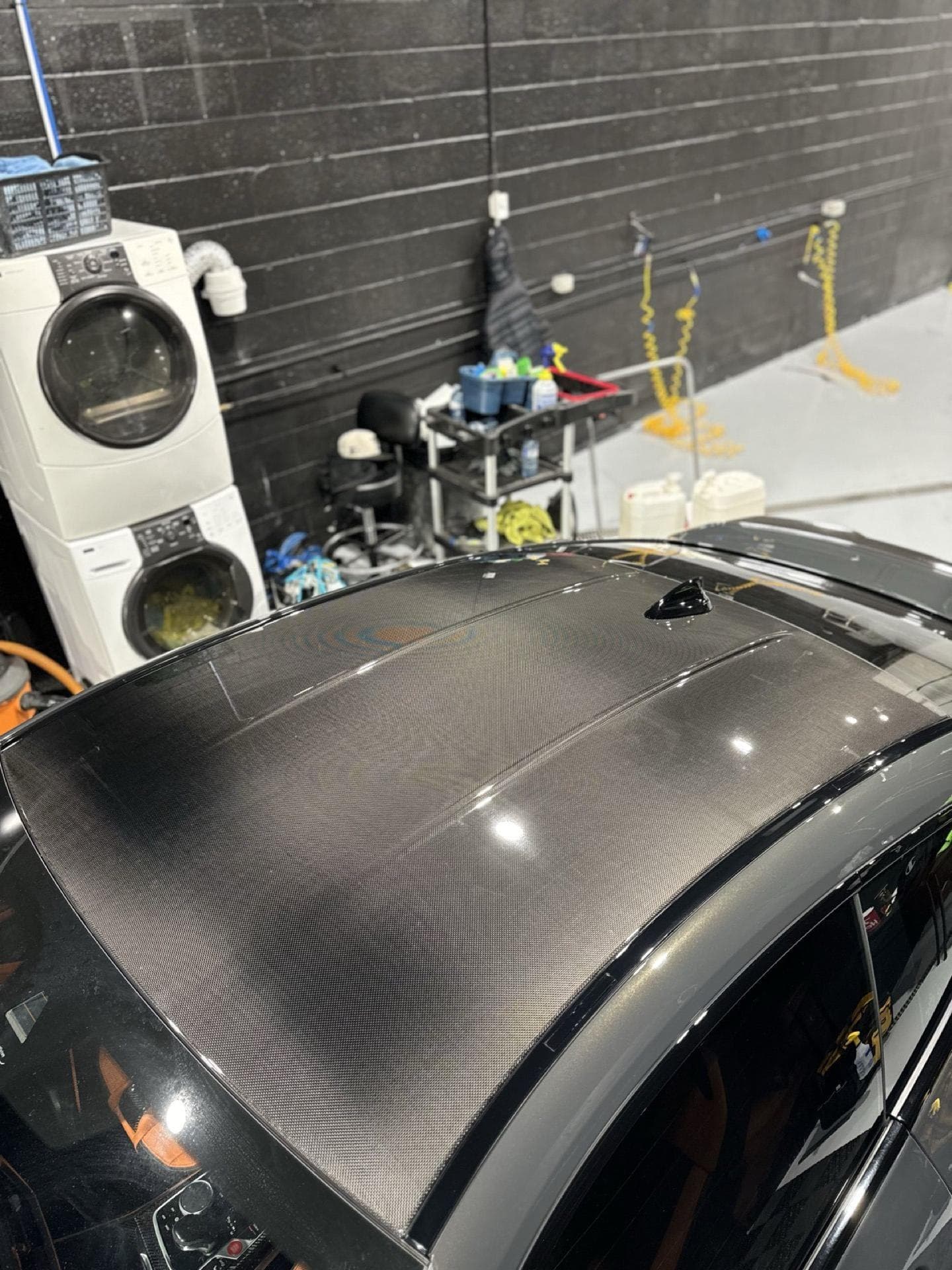
2. Controlled environment. PPF installation requires a dust-free, temperature-controlled bay. Any dust or fibre trapped under the film during installation is permanent. A shop that installs PPF on a garage floor next to a compressor, fans running, and a dog wandering around is setting your film up to have visible contamination. The install bay should look more like an electronics cleanroom than a garage.
3. Digital templates. Modern high-end PPF installation uses precision-cut digital templates specific to your exact vehicle make, model, and year. These are cut on a plotter from a database like DAP (Design Access Program). Shops that don't use templates are freehand-cutting the film on the vehicle — this almost guarantees paint contact with the blade, which can leave permanent marks in the clear coat. Ask the shop how they cut their film. The answer "we use XPEL DAP" or "we use SunTek Reaction templates" is what you want to hear.
4. Brand certifications. XPEL, SunTek, and LLumar all run certified installer programs. A certified installer has been trained by the manufacturer, has met their installation quality standards, and is authorized to offer the manufacturer's warranty. An uncertified shop using the same film cannot transfer the manufacturer warranty to you — only the installer warranty, which is much weaker and disappears the moment the shop closes.
5. Warranty, in writing. A legitimate PPF installation comes with a written warranty from both the film manufacturer (typically 10 years) and the installer (typically 1–5 years on workmanship). If a shop can't produce written warranty documentation, they either aren't certified or don't want you to have it on paper. Walk away.
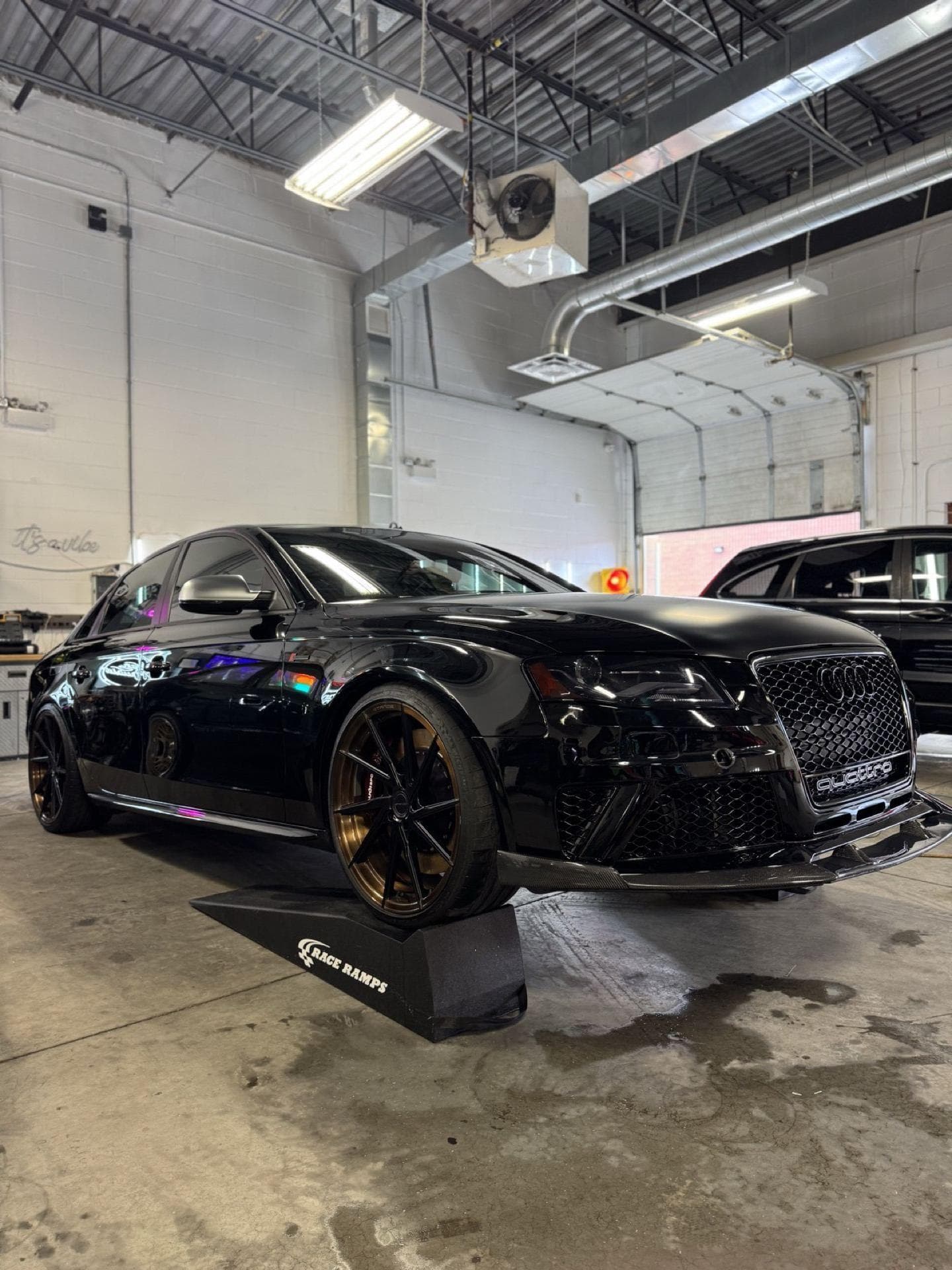
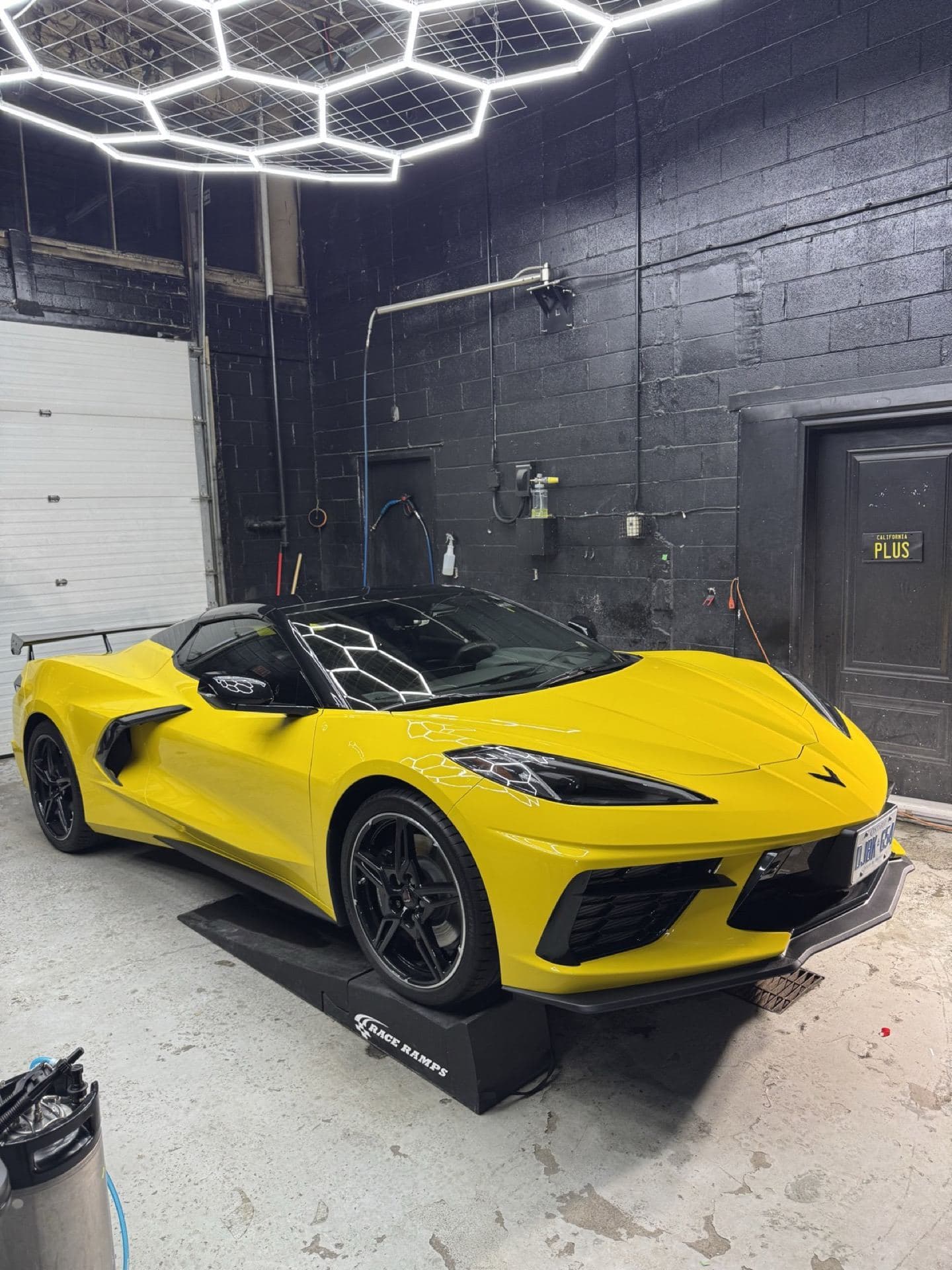
6. Portfolio matching your vehicle type. Ask to see previous installs on a vehicle similar to yours. A shop that has only done Camaros and Civics may struggle with the complex curves of a Tesla Model Y bumper or a Porsche Cayenne hood. Experience with luxury and performance vehicles is a good proxy for overall installation quality.
Red Flags That Reveal a Bad Installer
- The quote is unusually cheap. Full-front PPF on a sedan should be $1,800–$2,800. If a shop quotes $900, they are either using budget film and passing it off as premium, cutting corners on prep, or freehand-cutting. Sometimes all three.
- They can't tell you which film they install. A proper installer will name the specific film by brand and product line (XPEL Ultimate Plus, SunTek Reaction, etc.). A vague "we use the best PPF" answer is a bad sign.
- They don't decontaminate the paint before install. Proper prep includes hand wash, iron decontamination, and clay bar treatment before any film goes on. Skipping this traps contaminants under the film permanently. A shop that says "no prep needed" is skipping steps.
- They install in your driveway or an open garage. Any dust or debris lands on the adhesive side of the film during install. A professional PPF install happens in a closed bay.
- No photos of their previous work on Instagram or Google. Top installers build their reputation visually. If you can't find before-and-after photos of their work, they probably don't have much of it worth showing.
- Pressure to sign today. A legitimate shop will quote you, explain the options, and let you think about it. Pressure tactics come from shops that know customers would shop around and find better.
Which Films Are Actually Worth Installing
At ACR Detailing in Scarborough, we install:
- XPEL Ultimate Plus — the most popular premium PPF globally. Self-healing, 10-year warranty, excellent clarity, proven longevity.
- SunTek Reaction — slightly more pliable on complex curves. Good for vehicles with tight compound shapes. 10-year warranty.
- ProTech — a reliable mid-tier option with strong warranty backing for drivers who want quality film at a slightly lower price point.
XPEL and SunTek are the two we recommend most. Both are excellent; the choice often comes down to installer experience with the specific film on your specific vehicle.
What a Proper Install Looks Like Step by Step
Day 0 (consultation): Bring the vehicle in for inspection. The installer discusses coverage options (partial front, full front, full-vehicle), film brand, warranty, and pricing. You get a written quote.
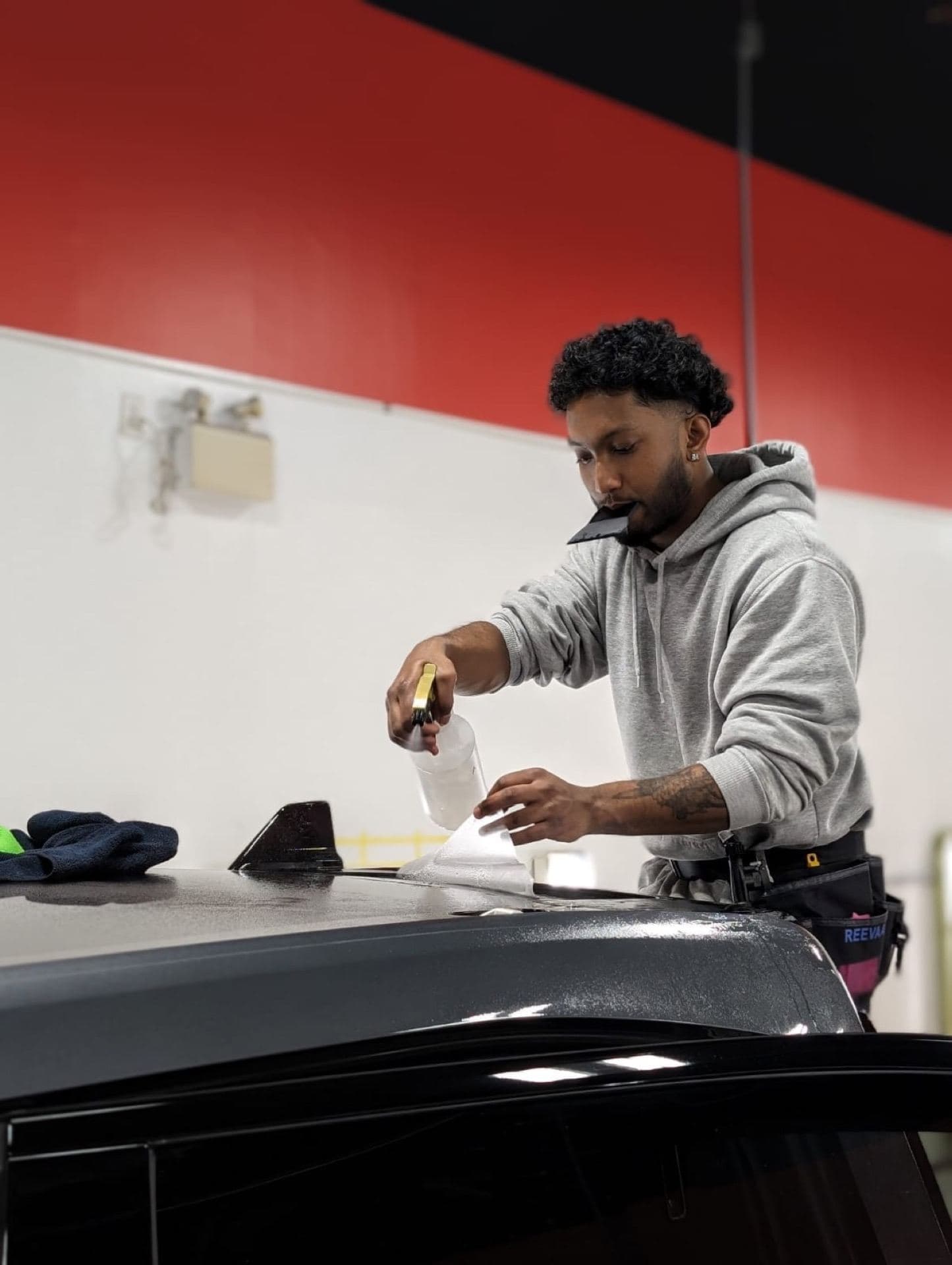
Day 1 (install): Vehicle arrives clean. Installer decontaminates the paint fully — hand wash, iron remover, clay bar. Digital template is plotter-cut. Film is applied panel by panel in a controlled bay. Edges are wrapped. Install is inspected under professional lighting before the vehicle leaves.
48 hours after install: No car washes, no touching the film. The adhesive is still curing.
First week: Some minor cloudiness or haze is normal as residual moisture evaporates from under the film. It clears completely within 5–7 days.
First year and beyond: Regular washing (hand wash or touchless only) keeps the film clean. Self-healing handles minor scratches automatically.
Book a PPF Consultation in Scarborough
Call ACR Detailing at (647) 963-5524 to book a free paint protection film consultation. We're at 29 Oakmeadow Blvd in Scarborough, serving vehicle owners across the GTA. Aidan will walk you through coverage options, show you actual film samples, explain the difference between brands, and provide a written quote with transparent line-item pricing. You'll leave knowing exactly what you're paying for and why.