Window tinting reduces heat, blocks UV, and adds privacy. But Ontario has specific laws about how dark you can go.
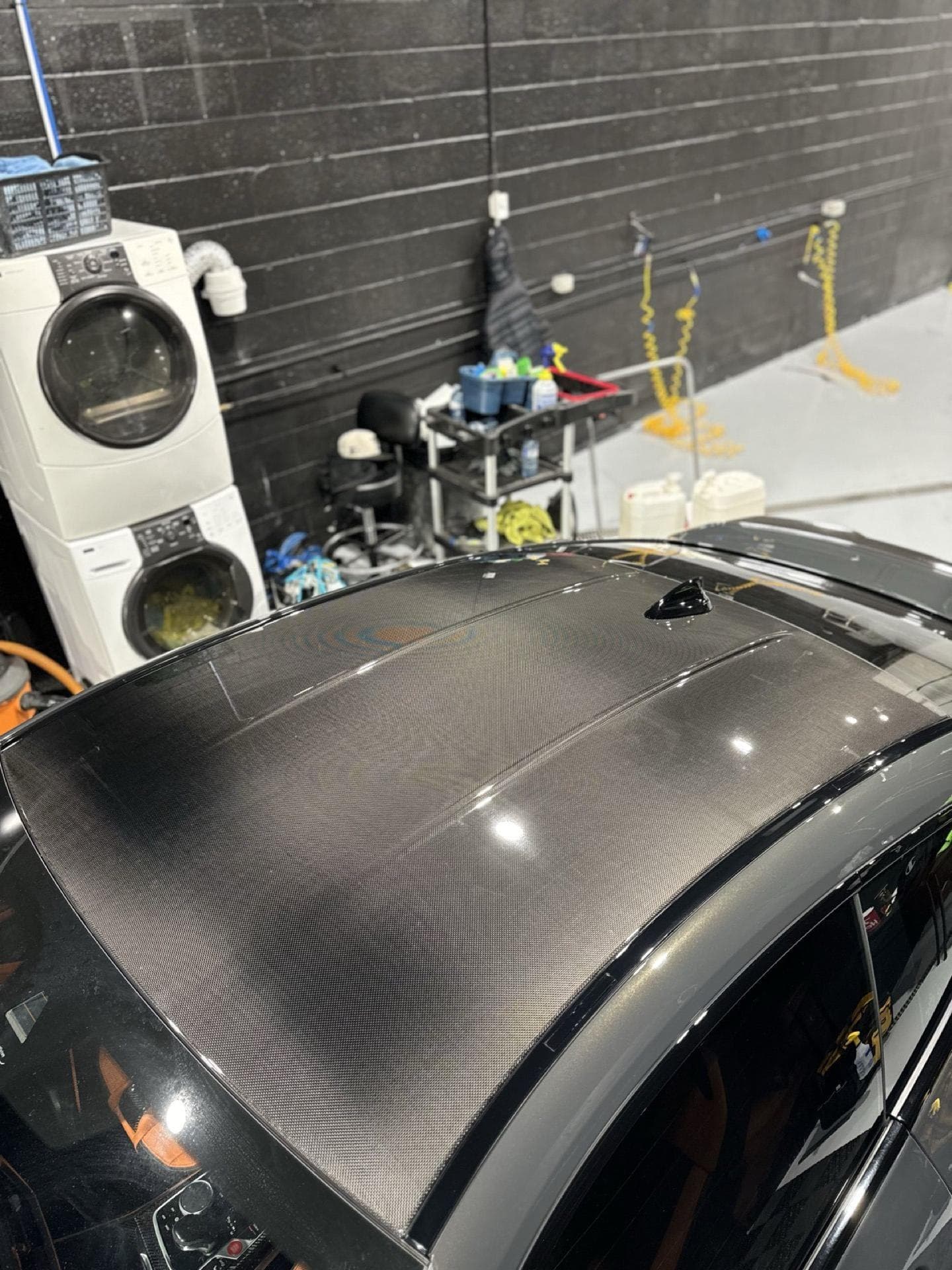
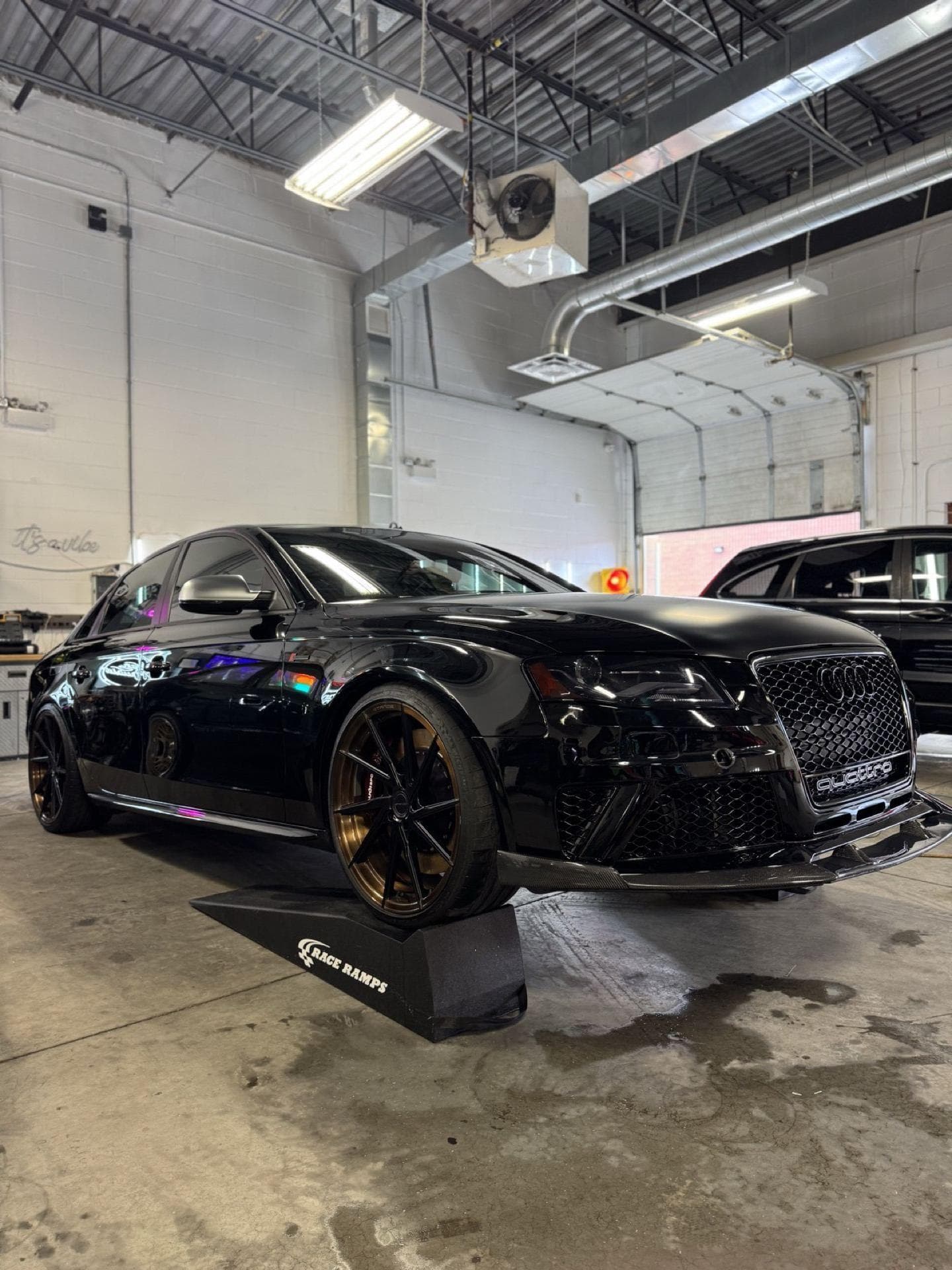
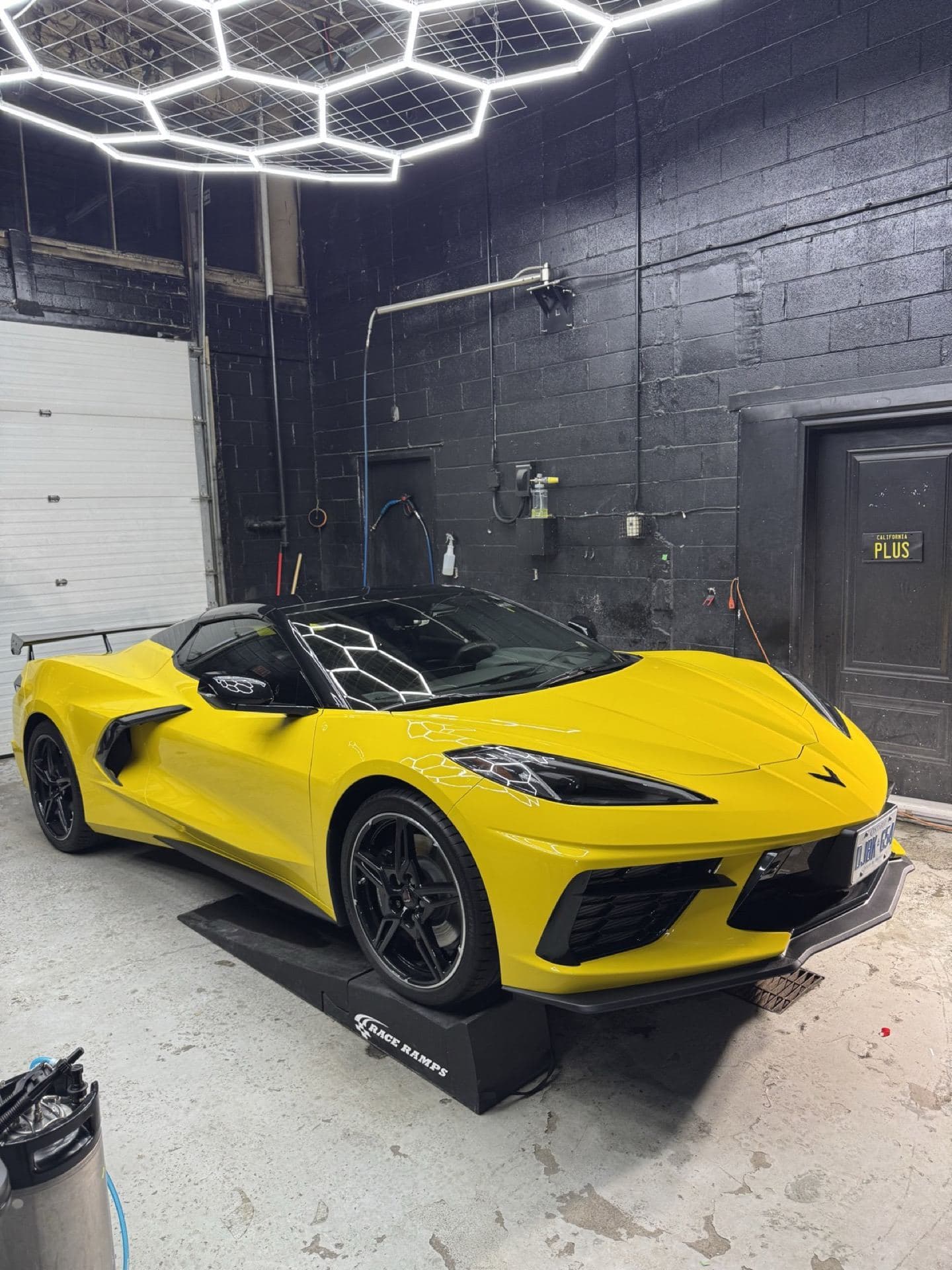
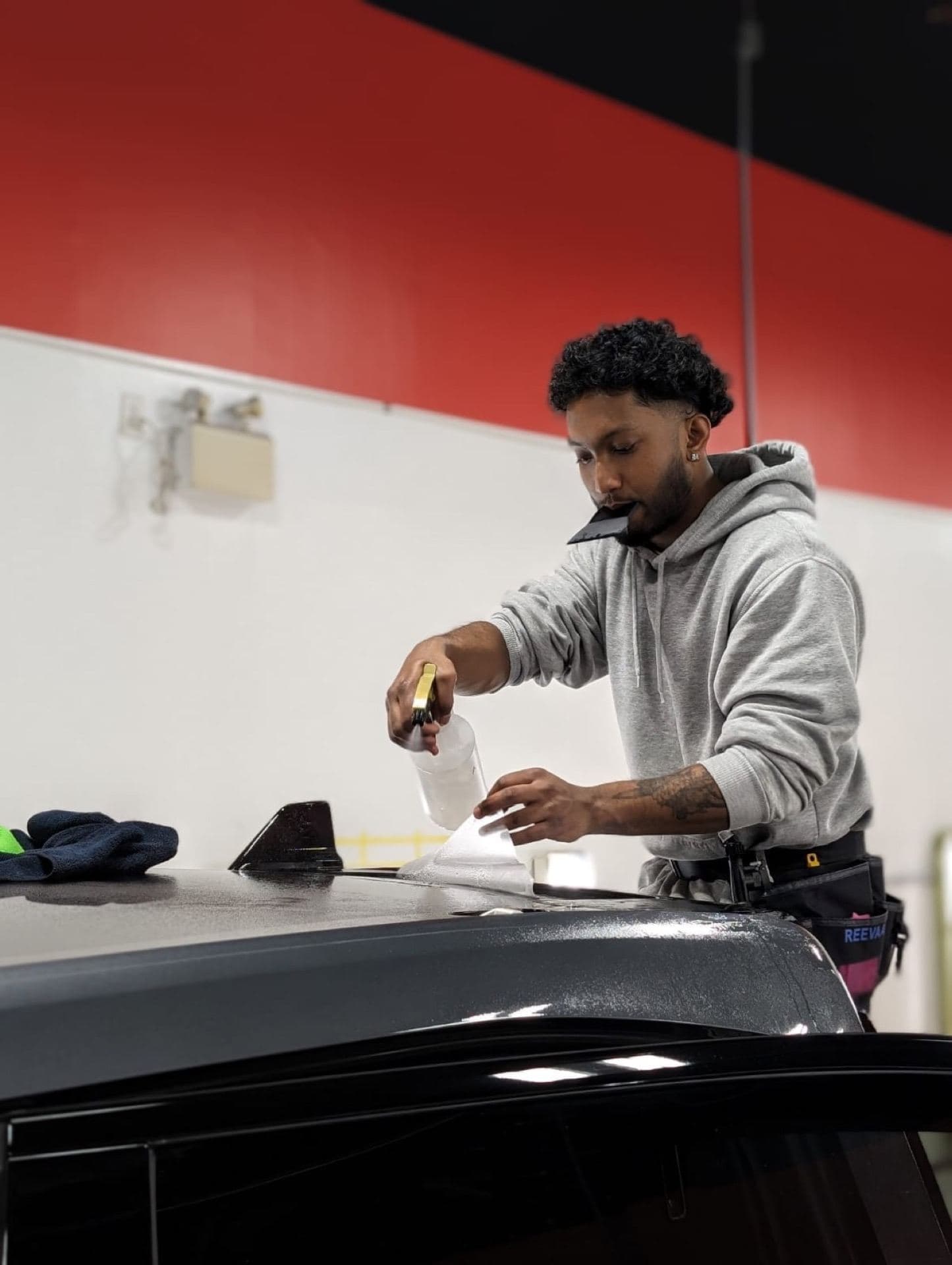
At ACR Detailing in Scarborough, we install window tint on everything from daily commuters to high-end builds. Here's what you need to know before you book.
Ontario Window Tint Laws: What's Actually Legal
Ontario's Highway Traffic Act (HTA) regulates window tinting, and the rules are straightforward but often misunderstood.
Windshield: No tint is permitted on the windshield below the AS-1 line (the top band area). You can have a tint strip across the top of the windshield, typically about 6 inches, but the main viewing area must remain clear. Any aftermarket tint applied below that line is illegal and will fail a safety inspection.
Front side windows (driver and passenger): Ontario law requires a minimum of 70% Visible Light Transmission (VLT) on the front side windows. In practical terms, this means these windows must allow at least 70% of light through. Most factory glass already sits around 70-75% VLT, so adding any noticeable aftermarket tint to the front side windows puts you below the legal limit. Some shops will install a light ceramic film on the fronts for heat rejection without darkening the glass — this is a grey area, but a high-quality ceramic film at 70% VLT is functionally transparent and primarily for heat rejection rather than appearance.
Rear side windows and rear windshield: There is no VLT restriction on the rear side windows or rear windshield in Ontario. You can go as dark as you want — 20%, 5%, even limo tint. This is where most people choose to go darker for privacy and aesthetics.
Important note: If you get pulled over, officers can use a tint meter on your front windows. If you're below 70% VLT on the fronts, you'll get a ticket and be required to remove the tint. Rear windows are not tested. Keep your fronts legal and do what you want with the rears — that's the practical approach.
Understanding VLT Percentages
VLT stands for Visible Light Transmission — the percentage of visible light that passes through the film. A lower percentage means a darker tint.
70% VLT: Nearly clear. You can barely tell the film is there. Used on front windows primarily for heat and UV rejection without changing the look. This is the legal limit for Ontario front windows.
50% VLT: A light tint that's noticeable but still allows good visibility from outside. It takes the edge off the glass without making the car look heavily tinted. A subtle, clean look.
35% VLT: A medium tint. This is one of the most popular choices for the rear windows because it provides solid privacy during the day while still allowing decent visibility from inside the vehicle at night. From outside, people can see shapes but not details.
20% VLT: A dark tint. This provides strong privacy — you can see outlines of passengers but not faces or objects. From inside the vehicle, visibility is still acceptable during the day but reduced at night. This is the most popular choice for drivers who want their vehicle to look clean and private without going full limo.
5% VLT (limo tint): Almost completely opaque from the outside. At night, visibility from inside the car through 5% tint is significantly reduced. This is a bold look and works well on trucks, SUVs, and show cars, but it's not practical for everyone. Backing up at night in a parking lot with 5% rear tint requires relying on cameras and mirrors.
What Different Tint Levels Look Like on Vehicles
The appearance of tint changes based on your vehicle's colour, existing glass tint, and the type of film.
Dark-coloured vehicles (black, dark grey, dark blue): Tint appears darker on dark vehicles because the interior is harder to see through already. A 35% VLT on a black car can look nearly as dark as 20% on a white car. If you want a stealthy, blacked-out look on a dark vehicle, 20% on the rears is usually plenty.
Light-coloured vehicles (white, silver, light grey): Tint is more visible on lighter vehicles, and the contrast between tinted and untinted glass is more obvious. Many light-car owners go with 20% or even 15% on the rears to achieve a balanced look. Going with 35% on a white car can look underwhelming to some — it depends on the look you're after.
SUVs and trucks: Larger vehicles with more glass surface area look great with matching tint on all rear windows. The continuity of a consistent tint level across the rear side windows and the rear windshield creates a clean, finished appearance. Mismatched tint levels (different shades on different windows) look sloppy.
Sedans and coupes: The rear windshield on many sedans has a factory tint that's slightly darker than the rear side windows. When adding aftermarket tint, make sure the installer accounts for this so all rear glass ends up looking uniform.
Dyed vs Carbon vs Ceramic Film: Which One Should You Choose
The type of tint film matters as much as the darkness level. There are three main categories you'll encounter, and the price and performance differences are significant.
Dyed Film
Dyed film is the most affordable option. It uses a dye layer between an adhesive layer and a protective top coat to absorb solar energy. It looks good when first installed and provides decent privacy.
The downside is durability. Dyed film fades over time — typically turning purple or brown within 2 to 5 years, especially on windows that get direct sun exposure. It also offers the least heat rejection of the three types. The dye absorbs heat rather than reflecting it, so the film itself gets hot and radiates some of that heat into the cabin.
Dyed film is fine if you're on a tight budget and primarily want the look, but expect to replace it sooner.
Carbon Film
Carbon film uses carbon particles instead of dye to block sunlight. It doesn't fade to purple like dyed film, maintains its colour for the life of the film, and provides better heat rejection. Carbon film has a slightly matte appearance that many people prefer over the shinier look of dyed film.
Heat rejection with carbon film is noticeably better than dyed — typically 40-50% of infrared heat is blocked depending on the VLT level. It also won't interfere with electronic signals (GPS, cell reception, radio), which is something cheaper metallic films can cause.
Carbon film sits in the mid-range price point and is a solid choice for most drivers who want good looks, decent heat rejection, and reasonable longevity.
Ceramic Film
Ceramic film is the top tier. It uses nano-ceramic technology to reject heat without darkening the glass as much. This means you can run a lighter tint (like 50% or even 70% VLT) and still get excellent heat rejection — often blocking 60-80% of infrared heat.
Ceramic film doesn't fade, doesn't interfere with electronics, provides superior UV protection (blocking 99%+ of UV rays), and offers the best optical clarity. When you look through ceramic film, there's less of the hazy or slightly distorted quality you can get with cheaper films.
The tradeoff is cost. Ceramic film typically costs 2 to 3 times more than dyed film. But it lasts significantly longer, performs better, and doesn't degrade in appearance. For most of our clients at ACR, ceramic is what we recommend because it's a one-time investment that holds up through Ontario's summers and winters without issues.
ACR Detailing's Recommendation
For most vehicles in Ontario, here's what we suggest:
Front side windows: 70% VLT ceramic film. This keeps you legal while providing meaningful heat rejection and UV protection. You won't notice a visual difference, but you'll notice the temperature difference in summer.
Rear side windows: 20% VLT ceramic or carbon film. This gives a clean, private look without making nighttime visibility a problem. It's the sweet spot between aesthetics and practicality.
Rear windshield: Match the rear side windows at 20% VLT for a uniform look. Going darker on the rear windshield than the sides looks inconsistent.
For trucks and SUVs that want a bolder look: 15% or even 5% on the rears works well because the vehicles are larger and the darker tint suits the proportions. Just be aware of nighttime visibility with 5%.
Window Tint Pricing at ACR Detailing
Our window tinting starts at $140 for a basic rear-window package with carbon film and goes up to $300 for a full vehicle ceramic tint including a windshield strip. Here's the general breakdown:
Rear windows only (carbon film): $140-$180 depending on vehicle size Rear windows only (ceramic film): $180-$240 Full vehicle — fronts and rears (ceramic film): $240-$300 Windshield strip add-on: $30-$50
These prices include professional installation with proper heat shrinking (no bubbles, no creases), a clean edge finish, and a warranty on the film. We don't cut corners on installation — film that's poorly installed with bubbles and peeling edges looks worse than no tint at all.
Common Mistakes to Avoid
Going too dark on the front windows. It's tempting, but a ticket plus the cost of removing and replacing the tint makes it an expensive mistake. Keep the fronts at 70% VLT or leave them stock.
Choosing the cheapest film available. Budget dyed film will look faded and purple within a couple of years. Spend a bit more on carbon or ceramic and you won't need to redo it.
Mismatched tint levels. Different shades on different windows looks like an afterthought. Pick one VLT for all rear windows and stick with it.
Washing too soon after installation. Wait at least 3 to 5 days before cleaning the inside of freshly tinted windows. The film needs time to fully cure and bond. Rolling windows down too early can also shift the film.
Skipping the windshield strip. A 6-inch tint strip across the top of the windshield blocks the sun during low-angle sunrise and sunset driving — which is a daily reality for anyone commuting east-west in the GTA. It's a small add-on that makes a real difference.
Book Your Tint Installation
Window tinting is one of the fastest services we offer — most vehicles are done in 2 to 3 hours. Call (647) 963-5524 to book an appointment at our shop at 29 Oakmeadow Blvd in Scarborough. We'll help you choose the right film type and VLT percentage for your vehicle, your budget, and the look you're going for.