Ceramic coating lasts longer than any wax or sealant, but the question everyone asks is the same: how long does it actually last? The answer depends on the product, the installer, and — critically — how you maintain it afterward.
At ACR Detailing, we've coated hundreds of vehicles in Scarborough and across the GTA. Here's what we've learned about ceramic coating durability in real-world conditions, not just lab tests.
What Determines How Long Ceramic Coating Lasts
There's no single answer because multiple factors work together to determine coating longevity. A coating that lasts five years on a garaged car in California might only last three on a daily driver parked outside through Ontario winters. Here's what matters most.
Product Quality and Tier
Not all ceramic coatings are created equal. Consumer-grade coatings from big-box stores typically last 6 to 12 months at best. Professional-grade coatings applied in a controlled environment last significantly longer because the formulation is denser, the SiO2 concentration is higher, and the curing process is more thorough.
At ACR Detailing, we offer three coating tiers:
Silver (3-Year Protection) — Our entry-level professional coating. This is a single-layer application that provides excellent hydrophobic properties, UV protection, and chemical resistance. It's a solid choice for daily drivers and leased vehicles where you want reliable protection without a long-term commitment. Pricing starts at $500.
Gold (5-Year Protection) — A multi-layer coating with a higher SiO2 concentration. The additional layers create a thicker, more durable barrier that holds up better against the repeated chemical exposure your paint faces in Ontario — road salt, calcium chloride, and the alkaline cleaners used at automatic car washes. Pricing starts at $800.
Platinum (5 to 14-Year Protection) — Our flagship coating package. This uses the most advanced ceramic formulation available, applied in multiple stages with extended curing time between layers. The result is the hardest, longest-lasting coating we offer. For clients who plan to keep their vehicle long-term, this is the coating that pays for itself. Pricing starts at $1,300.
Paint Preparation
This is where many shops cut corners, and it's the single biggest factor in coating longevity that most people overlook. Ceramic coating bonds to whatever surface it's applied to — including scratches, swirl marks, and contaminants. If the paint isn't properly corrected and decontaminated before coating, the bond is weaker and the coating fails sooner.
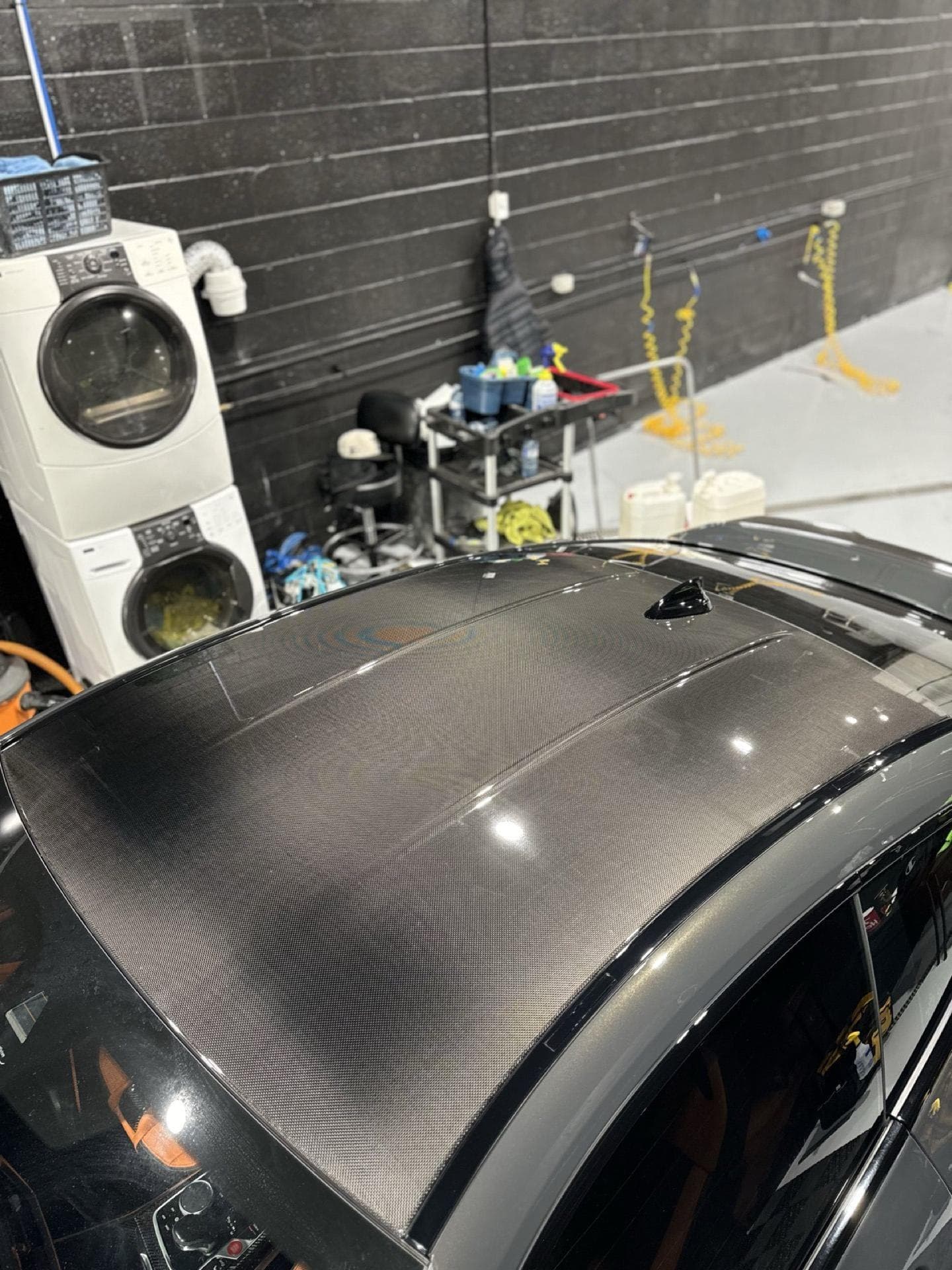
Every ceramic coating job at ACR starts with a thorough paint correction. Aidan assesses the paint under controlled lighting to identify swirl marks, scratches, oxidation, and contamination. Depending on the paint condition, this might be a single-stage polish or a multi-stage correction. The goal is a clean, smooth surface that the coating can bond to at a molecular level.
Skipping paint correction to save money is a false economy. You're locking imperfections under the coating and reducing its effective lifespan.
Installation Environment
Ceramic coating needs to be applied in a controlled environment — consistent temperature, low humidity, and minimal dust. Applying coating outdoors or in a dusty garage introduces contaminants that get trapped under the coating, creating weak spots.
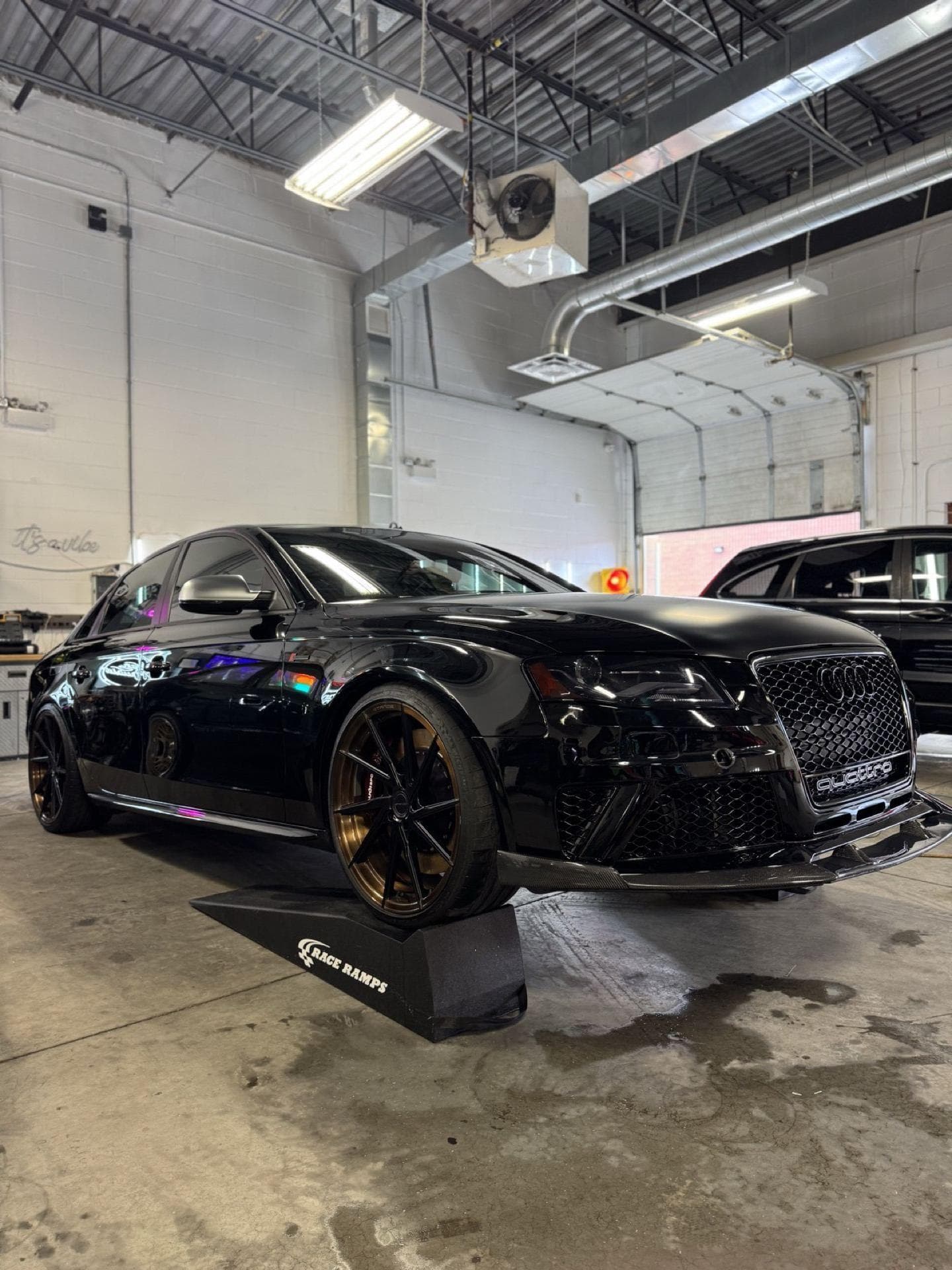
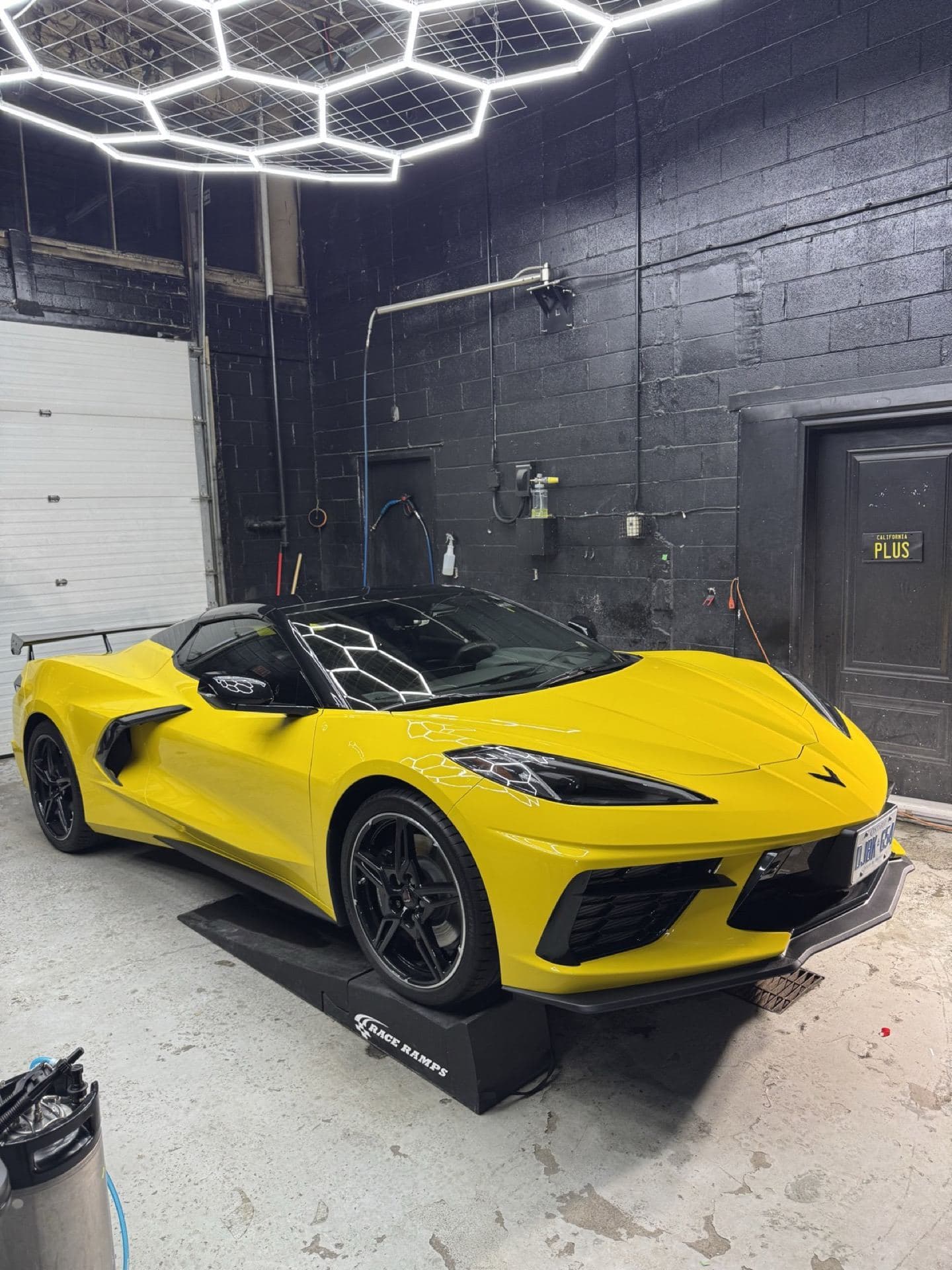
Our shop at 29 Oakmeadow Blvd in Scarborough is set up specifically for coating work. Temperature-controlled, enclosed, with proper lighting to inspect every panel during application.
Daily Conditions and Exposure
A vehicle that's garaged overnight and driven on clean highways will hold its coating longer than one that sits outside 24/7 and drives through construction zones daily. Ontario is particularly hard on coatings because of the seasonal extremes:
Winter: Road salt and calcium chloride are aggressively corrosive. They attack the coating surface constantly from November through April. Vehicles driving on the 401 or DVP through winter get hit with salt spray from every direction.
Spring: Pollen and tree sap accumulate quickly. Sap is acidic and can etch through a weakened coating if left too long.
Summer: UV exposure is at its peak. While ceramic coating provides UV protection, prolonged exposure still degrades the coating over time.
Fall: Leaf tannins and decomposing organic matter can stain paint and stress the coating's chemical resistance.
Ceramic Coating vs. Wax and Sealant: Durability Comparison
To put ceramic coating longevity in context, here's how it compares to traditional protection methods:
Carnauba Wax: Lasts 4 to 8 weeks. Needs reapplication monthly for consistent protection. Offers decent gloss but minimal chemical or UV resistance.
Paint Sealant: Lasts 3 to 6 months. Better durability than wax, with improved chemical resistance. Still requires regular reapplication.
Spray Ceramic Coating (Consumer): Lasts 3 to 6 months. Easy to apply but extremely thin. Provides mild hydrophobic properties but limited real protection.
Professional Ceramic Coating (Silver tier): Lasts up to 3 years with proper maintenance. Significantly harder, thicker, and more chemically resistant than any consumer product.
Professional Ceramic Coating (Platinum tier): Lasts 5 to 14 years. The coating doesn't just sit on the surface — it becomes part of the clear coat structure.
The math is straightforward. If you're spending $30 on wax every month and spending an hour applying it, you're at $360 and 12 hours per year. Over five years, that's $1,800 and 60 hours — with inferior protection every single day compared to a professional coating.
How to Maintain Your Ceramic Coating in Ontario
A ceramic coating isn't maintenance-free. It dramatically reduces the effort required to keep your car clean, but you still need to wash it properly. Here's how to maximize coating life in Ontario conditions.
Wash Regularly, Especially in Winter
This is the most important maintenance step. Road salt sitting on your coating accelerates its degradation. During winter months, wash your vehicle every one to two weeks — more often if you're driving daily in heavy salt conditions.
Use the two-bucket method or a foam cannon. Avoid automatic car washes with spinning brushes — they create micro-scratches that wear through the coating faster. Touchless automatic washes are acceptable in a pinch, but hand washing is always better.
Use pH-Neutral Car Wash Soap
Harsh detergents strip the hydrophobic layer faster. Use a ceramic-safe, pH-neutral car wash soap every time. Avoid dish soap, all-purpose cleaners, or anything with heavy degreasers.
Dry Properly
Water spots are the enemy of coated surfaces. Ontario's tap water is moderately hard, and mineral deposits left by air-drying can etch into the coating over time. Use a clean microfiber drying towel or a filtered-water rinse as a final step.
Apply a Ceramic Boost Spray Every 3 to 6 Months
A ceramic maintenance spray (sometimes called a topper or booster) adds a sacrificial hydrophobic layer on top of your coating. Think of it as sunscreen for your ceramic coating. It's quick to apply during a regular wash and extends the life of the base coating.
Annual Decontamination
Once a year — ideally in spring after winter ends — do a full decontamination wash. This includes a clay bar or chemical decontamination step to remove embedded iron particles, industrial fallout, and mineral deposits that regular washing can't remove. Many of our clients bring their vehicle back to ACR for an annual maintenance detail specifically for this purpose.
Avoid Parking Under Trees
Tree sap is one of the most damaging contaminants for ceramic coatings. If sap lands on your coated surface, remove it within 24 to 48 hours using an isopropyl alcohol solution or a dedicated sap remover. Leaving it longer risks etching through the coating.
How to Tell When Your Ceramic Coating Needs Reapplication
Ceramic coating doesn't fail overnight — it gradually weakens. Here are the signs that your coating is reaching the end of its effective life:
Water behavior changes. When the coating is fresh, water beads tightly and sheets off the surface. As it degrades, water starts to flatten out and cling instead of beading. If your vehicle no longer has that dramatic water-beading effect after a wash, the coating is wearing thin.
Increased contamination sticking. A healthy coating makes it hard for bird droppings, bug splatter, and road grime to bond. When these start sticking more aggressively and requiring more effort to remove, the coating's chemical resistance is declining.
Reduced gloss. The deep, wet-look shine that a fresh coating produces will gradually diminish as the top layers wear away.
Water spots becoming harder to remove. Fresh coating resists water spot formation. Aging coating lets minerals etch in more easily.
If you notice these signs, it doesn't necessarily mean a full recoat is needed. Sometimes a professional polish and single-layer refresh is enough to restore protection for another year or two. Bring it in for an assessment and we'll give you an honest recommendation.
The Bottom Line on Ceramic Coating Longevity
Here's the straight answer: a professional ceramic coating, properly applied to properly prepared paint, and maintained correctly, will last 3 to 14 years depending on the tier you choose. In Ontario's harsh conditions, expect the lower end of any manufacturer's warranty range unless you're diligent about washing and maintenance.
The most common reason coatings fail early isn't the product — it's poor preparation before application or neglected maintenance afterward. Get both of those right and your coating will perform as advertised.
Get Your Vehicle Coated Right the First Time
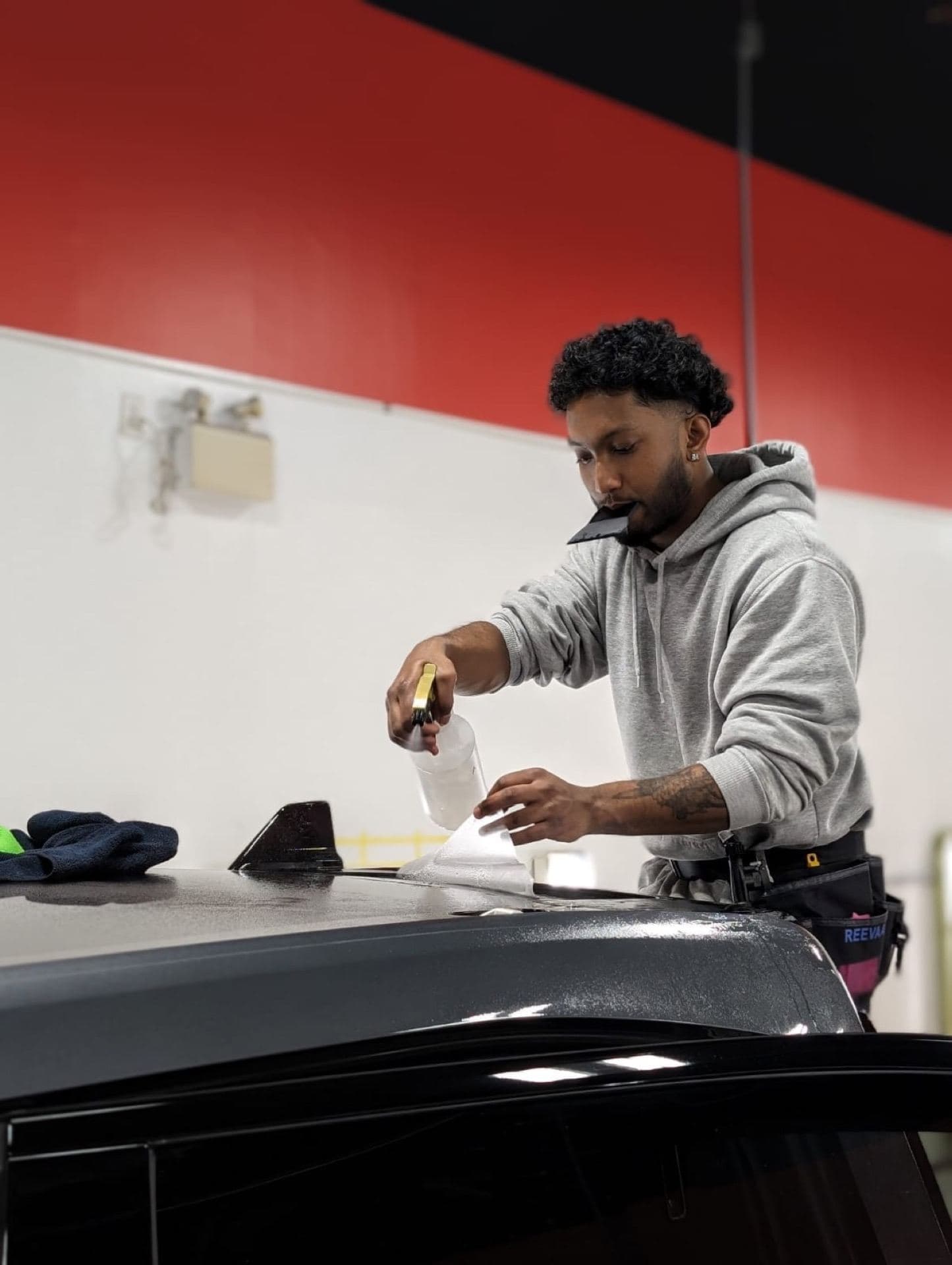
At ACR Detailing, every coating job starts with a full paint assessment and correction. Aidan personally handles every vehicle to ensure the prep work meets the standard the coating needs to perform long-term. We'll walk you through the coating tiers, explain what your paint actually needs, and give you a maintenance plan tailored to how you drive and where you park.
Call (647) 963-5524 to book a consultation, or stop by our shop at 29 Oakmeadow Blvd in Scarborough. We'll show you what ceramic coating can do for your vehicle — and give you realistic expectations about how long it will last.