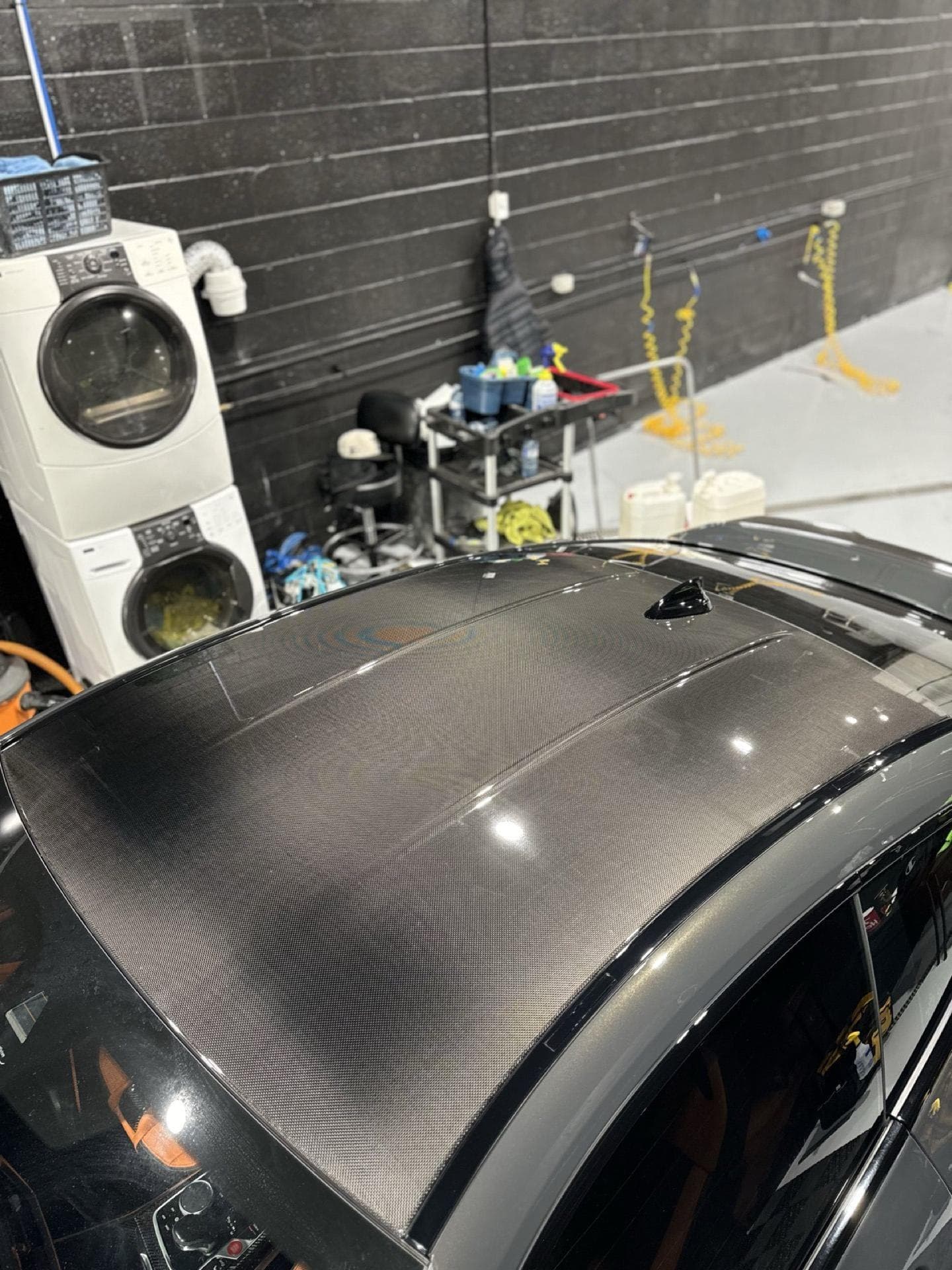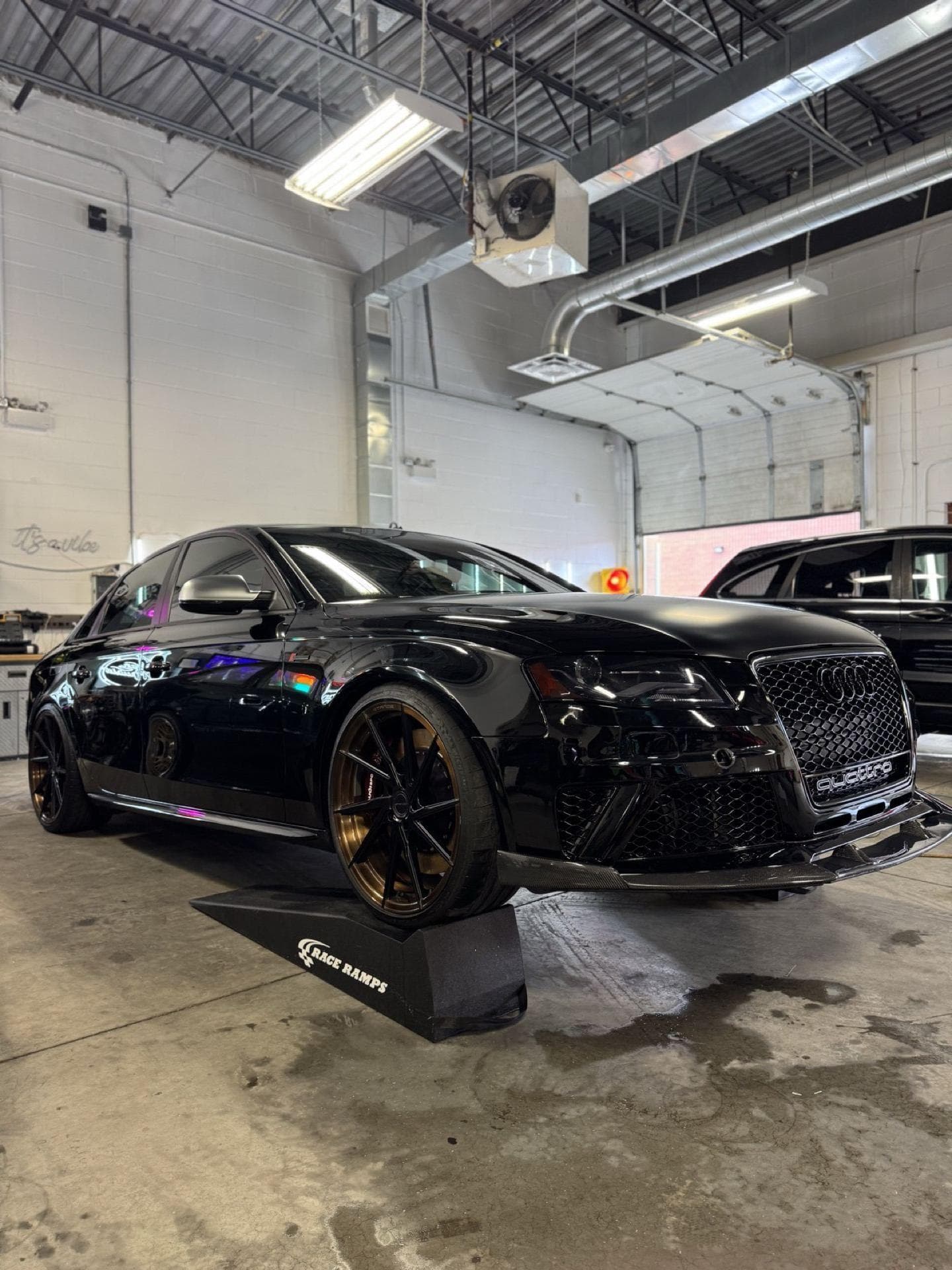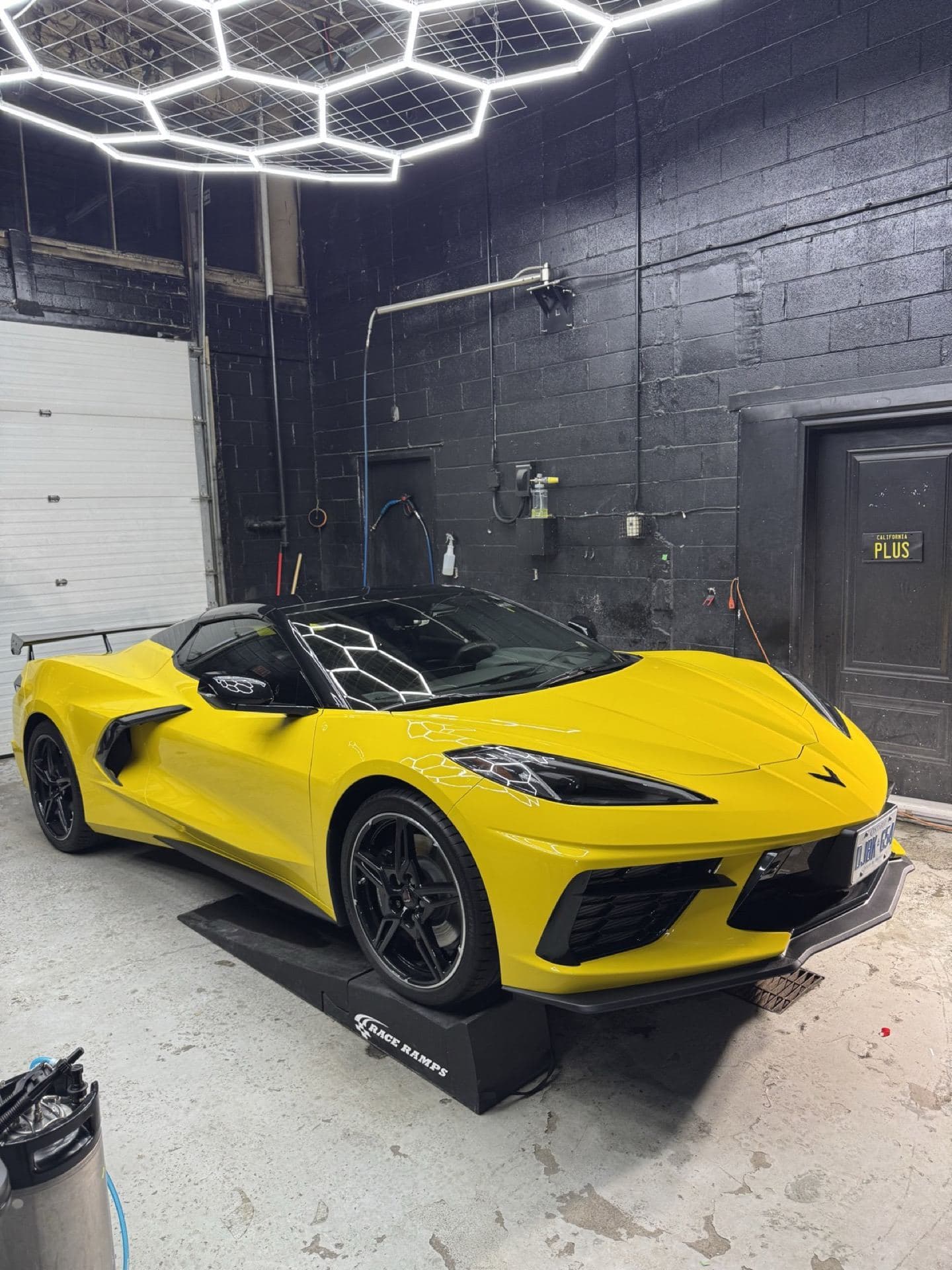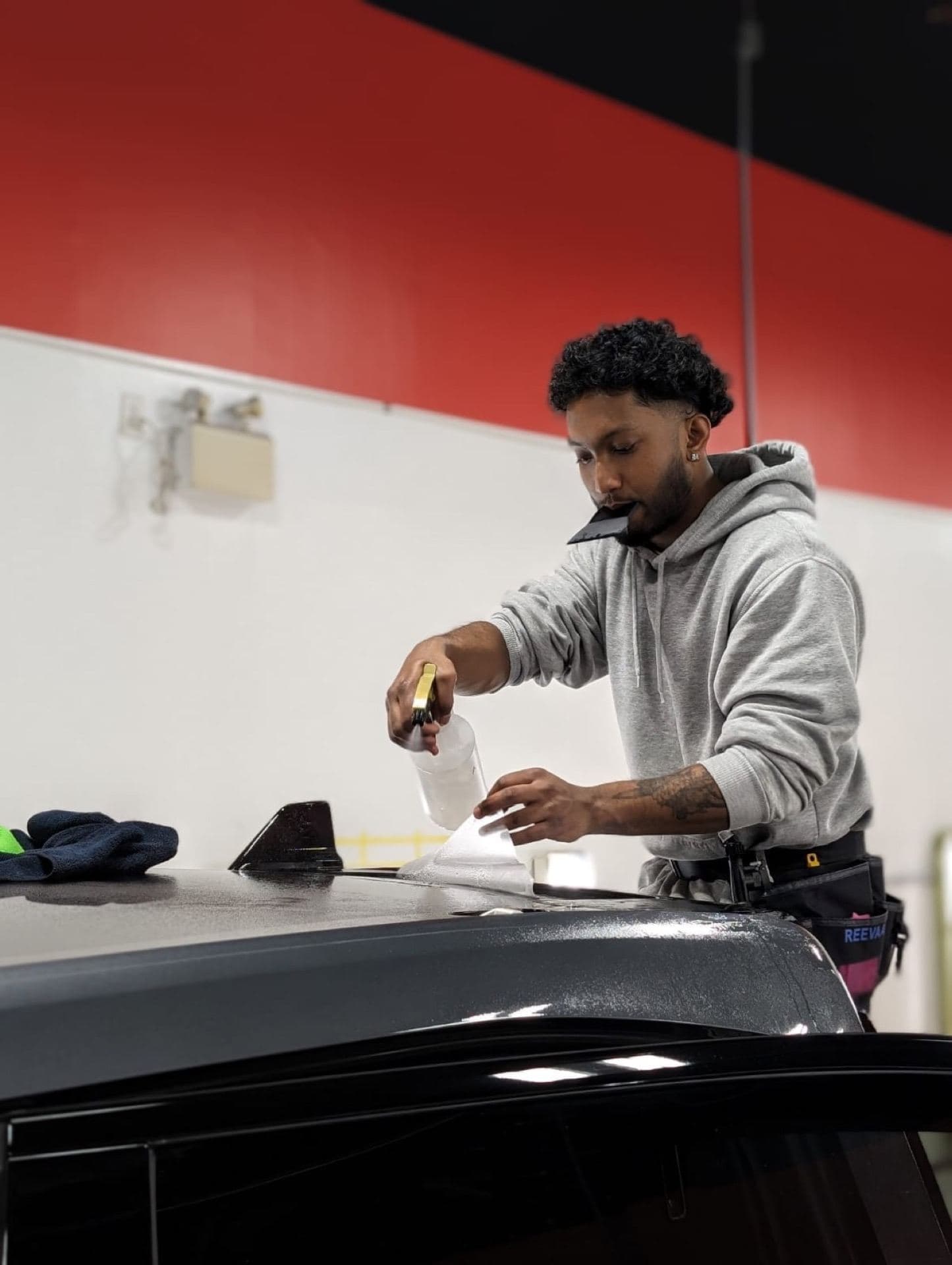
You just drove off the lot with a new vehicle. The paint is flawless, the interior is pristine, and everything smells like new car. How long does it stay that way?
Without protection, the answer is "not long." The first highway drive introduces rock chips. The first automatic car wash introduces swirl marks. The first Ontario winter introduces salt damage. Within six months of daily driving, a brand-new vehicle's paint looks noticeably different from the day you bought it.
At ACR Detailing in Scarborough, we see this pattern constantly. Owners bring in a vehicle that's 2 or 3 years old, asking for ceramic coating, and the first thing we have to do is correct all the paint damage that accumulated since they bought it. That correction adds $500 to $1,000 to the total cost — money that would have been unnecessary if the vehicle had been protected from day one.
Why a New Car Is the Best Time to Protect
The logic is straightforward: new paint is perfect paint. There are no swirl marks to correct, no scratches to polish out, no oxidation to remove. The clear coat is at its full factory thickness, unblemished and ready for protection.
This means you skip the most time-consuming and expensive part of any protection installation: paint correction. On a new vehicle, we go straight from decontamination to coating or film application. The result is a lower total cost and less time in the shop.
Here's the cost difference in real numbers:
Protection on a new vehicle: Decontamination + ceramic coating = $500 to $1,300 depending on the tier. No paint correction needed.
Protection on a 2-year-old daily driver: Paint correction ($500-$1,000) + ceramic coating ($500-$1,300) = $1,000 to $2,300 total. The correction alone can equal the cost of the coating.
Every month you wait after buying a new car, the paint accumulates damage that will need to be corrected before coating. The longer you wait, the more it costs.
The Ideal New Car Protection Stack
At ACR, we recommend a layered approach for new vehicles. Each layer addresses a different type of damage, and together they provide comprehensive protection.
Layer 1: Paint Protection Film on High-Impact Zones
PPF is your physical shield. It absorbs rock chips, road debris, bug impacts, and minor scratches so your paint doesn't have to. On a new vehicle, the priority areas for PPF are:
Full hood: The hood catches the majority of highway rock chips. A new hood is expensive to repaint — typically $800 to $1,500 at a body shop. PPF on the hood costs less and prevents the damage entirely.
Front bumper: The most exposed panel on the vehicle. Every pebble kicked up by the vehicle ahead hits the bumper first. Rock chips on bumpers are inevitable without PPF.
Front fenders: Especially the leading edges near the wheel wells, where road debris sprays directly onto the paint at close range.
Side mirrors: Small panels, but highly exposed and expensive to repaint due to their shape and the labor involved in masking.
Rocker panels: The lower body panels between the wheels take a constant beating from road spray, gravel, and debris. On lowered vehicles or vehicles with aggressive wheel fitments, rocker panels are particularly vulnerable.
Door edges and behind door handles: High-contact areas that accumulate chips and scratches from daily use — fingers with rings, keys, bags bumping the door edge in parking lots.
Our partial front-end PPF packages for new vehicles start at $800 and go up to $2,500 for full front-end coverage. Full-vehicle PPF starts at $4,000, though most new car owners don't need full coverage — the front end and high-impact zones catch 80% of the damage. Use our PPF Configurator to select panels and see pricing for your coverage level.
Layer 2: Ceramic Coating Over the Entire Vehicle
Ceramic coating goes over everything — including over the PPF on the protected panels. It serves a different purpose than PPF:
Chemical protection: Ceramic coating blocks UV rays, bird droppings, tree sap, road salt, and calcium chloride from attacking your clear coat and the PPF surface.
Hydrophobic properties: Water, dirt, and contaminants bead up and sheet off. Your vehicle stays cleaner longer and is dramatically easier to wash.
Gloss and depth: A ceramic-coated vehicle has a deeper, wetter-looking shine than bare paint. On a new vehicle with factory-fresh paint, the visual impact is significant.
Self-cleaning effect: Dirt doesn't bond to the coated surface as aggressively. Rain actually helps clean the vehicle rather than leaving dirty water spots.
When ceramic coating is applied over PPF, it also extends the PPF's lifespan by adding UV resistance and making the film easier to clean. The coating turns the PPF from a matte-ish, rubbery surface into a slick, glossy one that matches the rest of the vehicle's finish.
At ACR, our ceramic coating tiers for new vehicles:
Silver (3-Year Protection): $500 — Excellent for leased vehicles or daily drivers. One professional-grade layer with solid hydrophobic and UV protection.
Gold (5-Year Protection): $800 — Multi-layer application for owners who plan to keep the vehicle. Better durability through Ontario winters.
Platinum (5 to 14-Year Protection): $1,300 — Our best coating for long-term ownership. Maximum hardness, thickness, and longevity.
Layer 3: Window Tinting for UV Protection
Window tinting isn't just cosmetic — it blocks up to 99% of UV rays from entering the cabin. UV causes leather to crack, dashboards to fade, and trim to discolour. On a new vehicle with a pristine interior, tinting preserves that condition for years.
Ceramic window film also rejects significant infrared heat, keeping the cabin cooler in summer and reducing the load on your air conditioning.
Our window tinting for new vehicles ranges from $140 to $300 depending on the film type and coverage. Most new car owners opt for ceramic film on all rear windows with a UV-rejection film on the fronts.
The "New Car Package" Concept
We get a lot of new car owners asking for a bundled approach, so here's what a typical new car protection package looks like at ACR:
Essential Package
- Ceramic coating (Silver tier, 3-year)
- Window tinting (rear windows, carbon film)
- Full decontamination wash
- Total: approximately $650-$850
This is the minimum we'd recommend for any new vehicle. It provides chemical protection for the paint and UV protection for the interior at a reasonable cost.
Recommended Package
- PPF on partial front end (bumper, partial hood, mirrors)
- Ceramic coating (Gold tier, 5-year) over entire vehicle including PPF
- Window tinting (all rears, ceramic film)
- Full decontamination wash
- Total: approximately $1,800-$2,500
This is what most of our new-car clients choose. It covers the most vulnerable areas with PPF, protects the entire vehicle with ceramic coating, and adds quality window tinting. The cost is significant but substantially less than doing the same work on a 2-year-old vehicle that needs paint correction first.
Ultimate Package
- PPF full front end (full hood, full bumper, fenders, mirrors, headlights, rocker panels)
- Ceramic coating (Platinum tier, 5-14 year) over entire vehicle including PPF
- Ceramic window tinting (full vehicle)
- Full decontamination wash
- Total: approximately $3,500-$5,000
This is the maximum protection for owners of high-value vehicles or those who plan to keep the vehicle for 10+ years. Every high-impact zone is covered by PPF, every surface is coated, and every window is tinted with premium film. The vehicle is essentially armoured against everything short of a parking lot door ding.
When to Bring Your New Car In
The sooner the better, but here's the practical answer: within the first two weeks of ownership. This gives you enough time to enjoy the new car while the paint is still in factory condition.
Some dealers offer to apply ceramic coating or PPF before delivery. In most cases, we'd recommend against dealer-applied protection. Dealer products are typically consumer-grade (not professional-grade), applied quickly without proper decontamination, and marked up significantly. A $1,500 "ceramic package" at a dealership often uses a $50 spray-on product applied in 30 minutes.
The exception is if the dealer uses a reputable third-party installer. Ask who's doing the work, what product is being used, and whether paint correction is included. If they can't answer those questions, pass.
Drive the vehicle carefully for the first week or two — avoid highway driving in construction zones if possible, don't take it through an automatic car wash, and don't park under trees. Then bring it to a proper detailing shop for professional protection.
What About Leased Vehicles?
Leased vehicles are actually one of the best candidates for paint protection. Here's why:
Turn-in condition matters. Lease-end inspections charge for paint damage. Rock chips on the hood, scratches on the bumper, and stained interiors all result in charges. PPF and ceramic coating prevent most of this damage, potentially saving you hundreds or thousands at lease return.
Shorter commitment, simpler choice. For a 3 or 4-year lease, our Silver ceramic coating tier ($500) provides coverage for the entire lease term. You don't need the premium tier because you don't need 10-year protection.
PPF protects your security deposit. The front bumper and hood are the most commonly damaged areas that trigger lease-end charges. PPF on these panels costs $800 to $1,500 and can save you significantly more in damage fees.
Common Mistakes New Car Owners Make
Waiting "Until It Needs It"
By the time your paint "needs" correction, you've accumulated months or years of preventable damage. The correction costs more than the protection would have. Don't wait for damage — prevent it.
Using the Automatic Car Wash
Automatic car washes with spinning brushes are the single biggest source of swirl marks on new vehicles. One visit creates hundreds of micro-scratches in the clear coat. If your new vehicle goes through a brush wash before it gets coated, those scratches get sealed in or need to be corrected before coating.
Accepting Dealer-Applied Products Without Verification
As mentioned above, most dealer-applied protection is overpriced and underperforming. Get it done by a specialist who does this work exclusively.
Parking Under Trees
Tree sap is acidic and etches clear coat quickly. Bird droppings are worse. A new vehicle's unblemished paint shows sap and bird etching more than an older vehicle because there's nothing else masking it. These are the first blemishes on many new vehicles, and they're entirely preventable by choosing where you park.
Protect It Now, Thank Yourself Later
A new vehicle is the single best time to invest in paint protection. The paint is perfect, no correction is needed, and the total cost is at its lowest. Every week you wait, the bar gets higher.
Call (647) 963-5524 to book your new car protection package at ACR Detailing, 29 Oakmeadow Blvd in Scarborough. Aidan will walk you through the options, recommend the right package for your vehicle and budget, and get your new car protected before Ontario's roads have a chance to damage it.