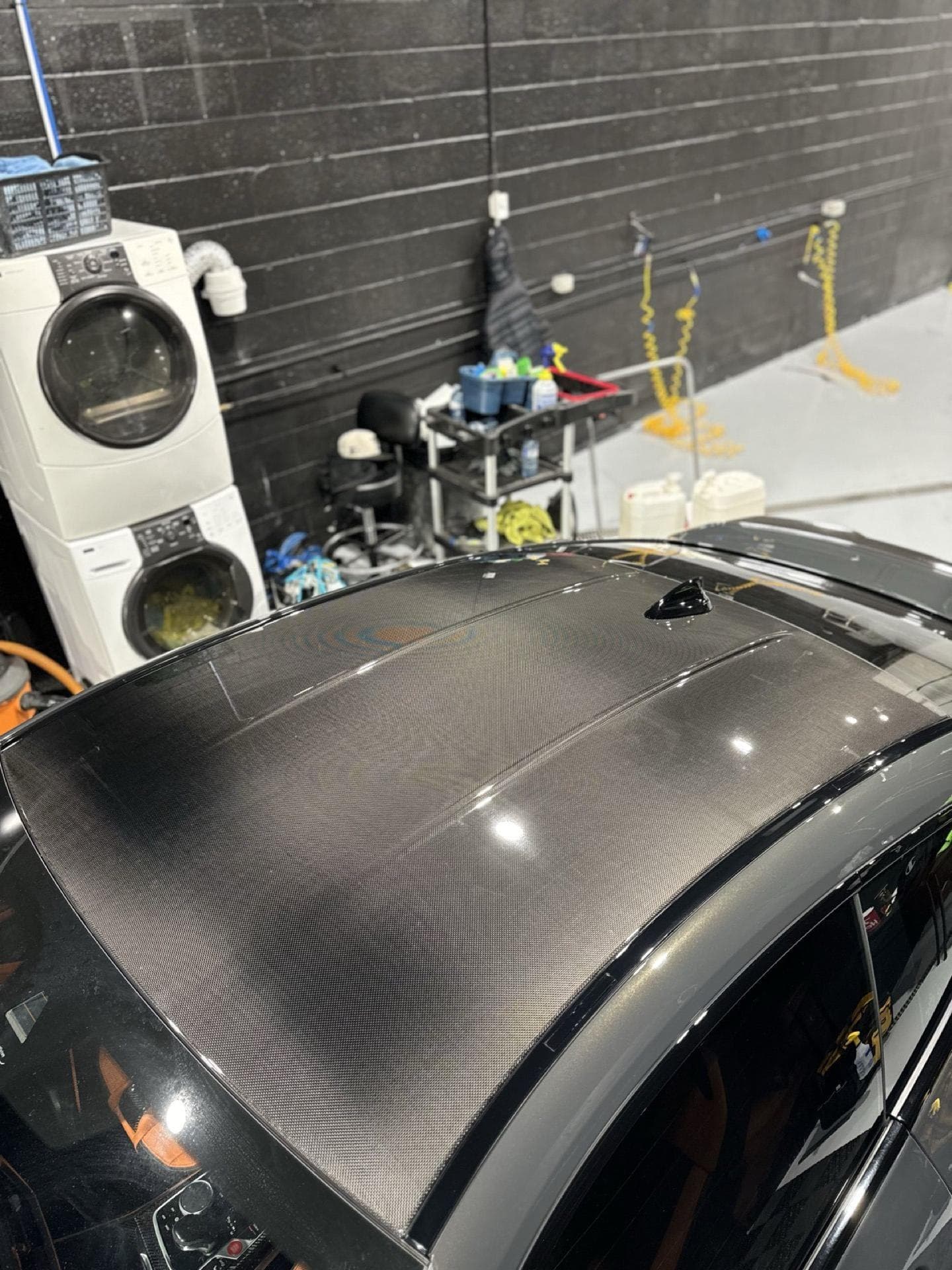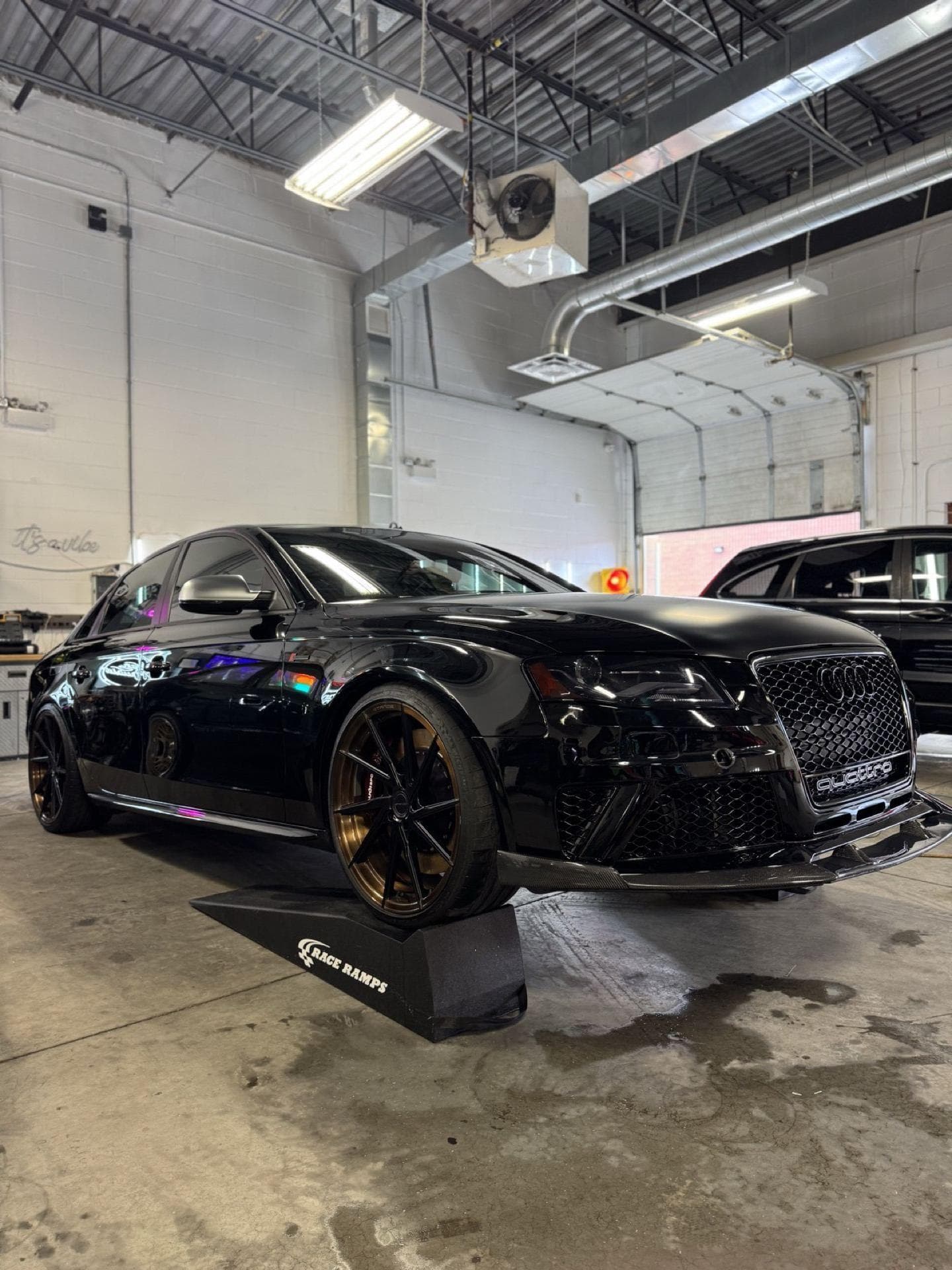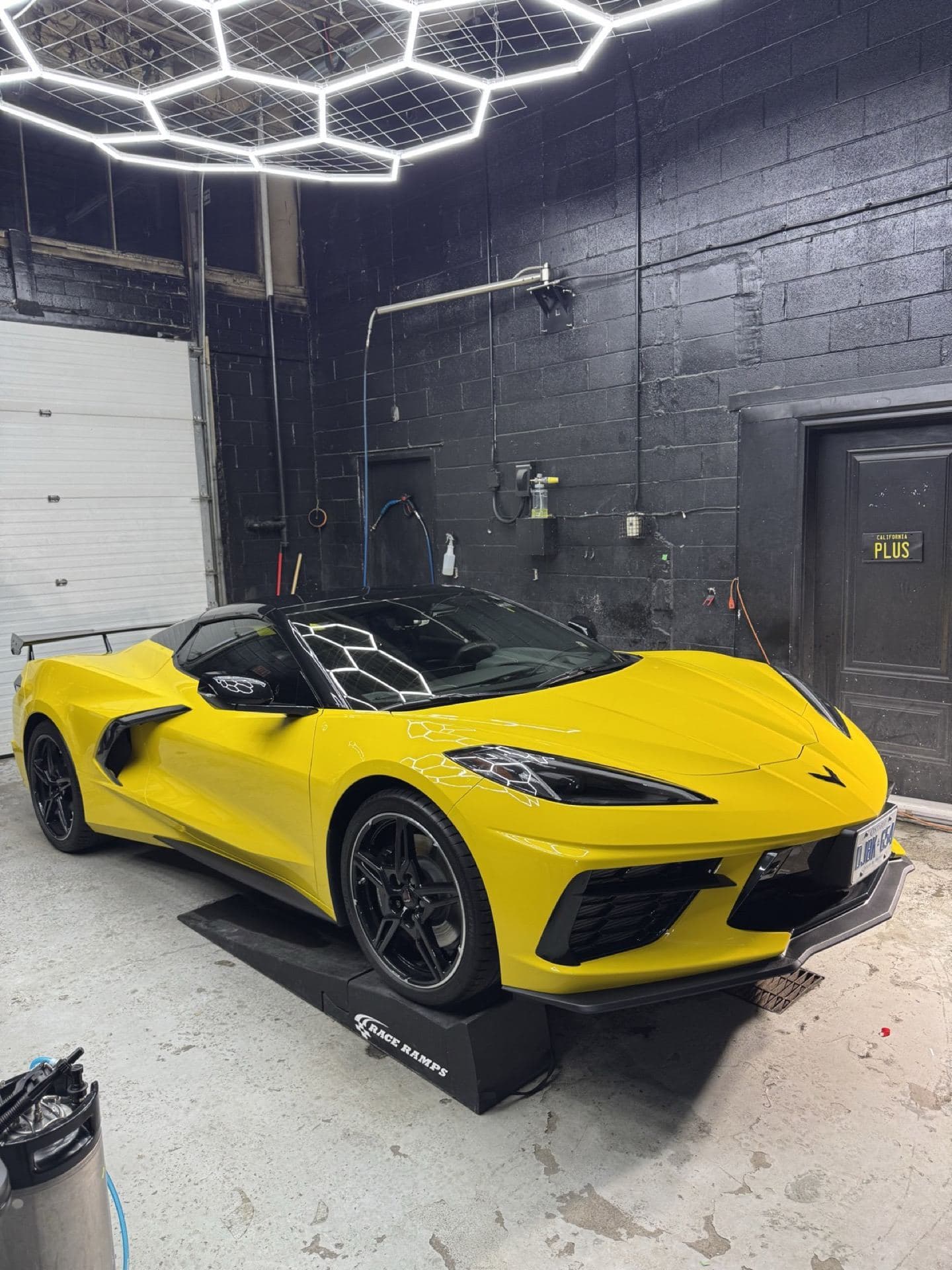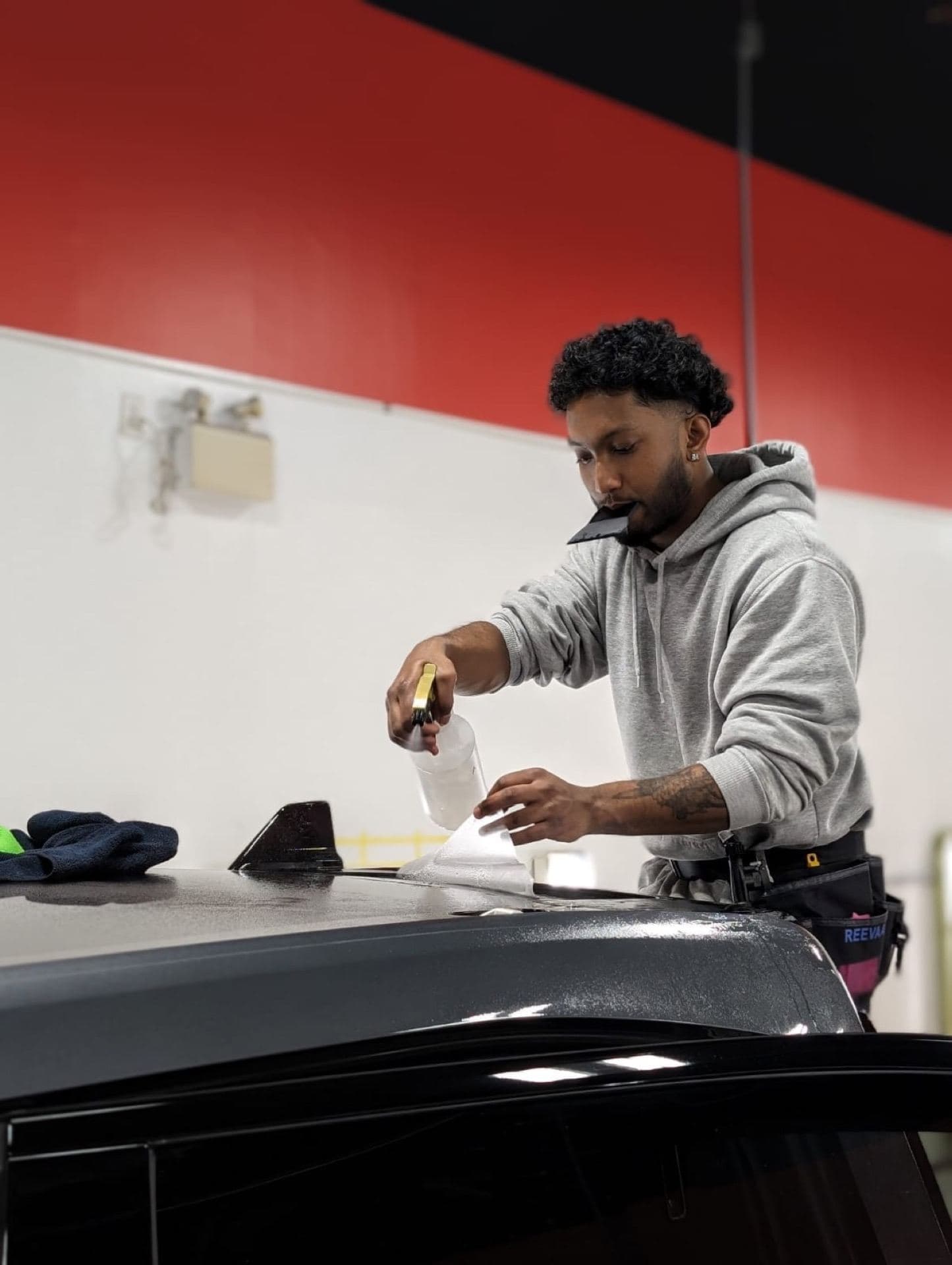
Every vehicle's paint accumulates damage over time. Swirl marks from improper washing, light scratches from daily use, water spots from mineral deposits, and oxidation from UV exposure all degrade the finish. Most people accept this as normal wear. But paint correction can reverse years of accumulated damage and restore your vehicle's finish to a condition that looks better than when it left the showroom.
At ACR Detailing in Scarborough, paint correction is one of our most requested services. Here's what the process actually involves, what results you can realistically expect, and why it matters for long-term paint protection.
What Is Paint Correction?
Paint correction is the process of removing surface imperfections from a vehicle's clear coat using machine polishing. A rotary or dual-action polisher is used with specific cutting and polishing compounds to level the clear coat surface, eliminating scratches, swirl marks, haze, and other defects.
The key distinction is that paint correction removes defects by leveling the surrounding clear coat down to the depth of the imperfection. It does not fill scratches or cover them up. This is why the results are permanent — the defects are physically gone, not hidden.
This is fundamentally different from applying a glaze, wax, or sealant that temporarily fills imperfections to create the illusion of a smooth surface. Those products wear off in days or weeks, and the defects reappear. Paint correction actually fixes the problem.
Types of Paint Defects Correction Removes
Understanding what correction can and cannot address helps set realistic expectations.
Swirl marks. The most common paint defect. Caused by circular washing motions, automatic car washes, dirty wash mitts, and improper drying. They appear as fine circular scratches visible under direct light, creating a spider-web pattern across the paint surface.
Light scratches. Surface-level scratches that catch your fingernail slightly but haven't penetrated through the clear coat to the base paint. These are caused by keys, rings, branches, and general contact.
Water spots. Mineral deposits left by water droplets that evaporate on the paint surface. Over time, these can etch into the clear coat and leave permanent marks if not addressed. Fresh water spots can often be removed chemically, but etched spots require correction.
Oxidation. UV exposure breaks down the clear coat over time, causing it to become hazy, dull, and chalky. This is particularly common on red, black, and darker colors. Paint correction removes the oxidized layer to reveal the undamaged paint below.
Buffer trails and holograms. Marks left by inexperienced polishing attempts, often from automatic car washes or improperly used rotary polishers. These appear as streaky, holographic patterns in the paint.
What correction cannot fix: Deep scratches that have penetrated through the clear coat to the base paint or primer, chips, dents, or damage to the actual paint layer underneath the clear. If you can feel a scratch with your fingernail and it catches significantly, it may be too deep for correction alone.
Single Stage vs Two Stage vs Multi-Stage Correction
Paint correction comes in different levels of intensity, and the right one depends on your vehicle's current condition and your goals.
Single-Stage Correction ($300 to $500)
A single-stage correction uses one pass with a medium-cut compound followed by a finishing polish. This removes 50 to 70 percent of surface defects and is appropriate for vehicles with light to moderate swirl marks and minor imperfections. The result is a noticeably cleaner, sharper finish with significantly improved gloss and reflection clarity.
This is the most common level for daily drivers that receive regular washing and have typical wear. It strikes a good balance between improvement and cost.
Two-Stage Correction ($500 to $900)
A two-stage correction uses a heavier cutting compound on the first pass to remove deeper defects, followed by a finer polishing compound on the second pass to refine the surface. This removes 80 to 95 percent of defects and produces a significantly more dramatic transformation.
Two-stage correction is recommended for vehicles with moderate to heavy swirl marks, visible scratches, oxidation, or paint that hasn't been professionally maintained. It is also the standard recommendation before ceramic coating application, because any defects remaining after correction become permanently locked under the coating.
Multi-Stage Correction ($900 to $1,300)
Multi-stage correction involves three or more polishing passes with progressively finer compounds and pads. This is reserved for vehicles with severe paint damage, neglected finishes, or show cars where the goal is a perfect, zero-defect finish.
The additional passes allow the technician to address deeper scratches and imperfections that a two-stage process might leave behind, while also refining the surface to the highest possible level of clarity and gloss.
At ACR Detailing, Aidan assesses every vehicle under controlled lighting to determine which level of correction is needed. The goal is always to recommend the appropriate level — not the most expensive one.
The Process: Step by Step
Understanding what happens during paint correction helps explain why it's a multi-day process for higher levels.
Assessment. The vehicle is washed, decontaminated (iron removal and clay bar), and inspected under high-intensity LED panel lights and swirl-finder lights. Aidan evaluates the type and depth of defects across every panel and determines the correction approach.
Test spot. Before committing to the full vehicle, a test section is corrected on a less visible panel (often the lower rear quarter panel) to confirm that the chosen compound and pad combination achieves the desired result. This also helps estimate the time needed for the full job.
Systematic correction. Each panel is corrected individually, working section by section. The polisher speed, compound grade, pad firmness, and pressure are adjusted based on each panel's specific condition. Some panels may need more aggressive cutting than others.
Inspection between passes. After each pass, the panel is wiped clean with an IPA (isopropyl alcohol) solution and inspected under the LED panels. This removes polishing oils that can mask remaining defects and reveals the true state of the paint.
Final refinement. After the cutting stage, a final polish refines the surface to maximum gloss and clarity. The IPA wipe-down and inspection process is repeated.
Protection application. Once correction is complete, the paint is clean, smooth, and completely exposed. At this point, ceramic coating or another form of protection should be applied as soon as possible. Corrected paint without protection is vulnerable and will begin accumulating new defects immediately.
Why Paint Correction Before Ceramic Coating Is Essential
This is one of the most important concepts in professional paint protection, and it's where many shops cut corners.
Ceramic coating bonds permanently to whatever surface it's applied to. If you apply ceramic coating over swirl marks, scratches, and water spots, those defects are locked in permanently. The coating will make the paint hydrophobic and protected, but the visual result will be a permanently flawed finish sealed under a permanent coating.
Proper paint correction before ceramic coating ensures:
- The coating bonds to a clean, smooth surface for maximum adhesion and durability
- The visual result is a deep, flawless, mirror-like finish
- You don't pay for coating on top of damage that could have been removed
- The investment in correction and coating together produces the best possible long-term result
At ACR Detailing, every ceramic coating package includes prep and paint correction appropriate to the vehicle's condition. We will not apply coating over compromised paint.
Return on Investment
Paint correction isn't just cosmetic. It has real financial value.
Resale value. A vehicle with corrected, well-maintained paint consistently appraises higher than one with visible swirl marks and scratches. Buyers and dealerships notice paint condition immediately.
Protection longevity. Corrected paint provides a better bonding surface for ceramic coating, which means your coating investment lasts longer and performs better.
Reduced long-term costs. Addressing paint damage early, before it progresses through the clear coat, avoids more expensive repainting or panel refinishing down the road.
Personal satisfaction. There is a meaningful difference in how a vehicle looks and feels when the paint is properly corrected. The depth of color, the sharpness of reflections, and the overall presence of the vehicle improve significantly.
Common Questions About Paint Correction
Does paint correction damage the clear coat? When done correctly, paint correction removes a controlled, minimal amount of clear coat. Modern factory clear coats are thick enough to withstand multiple professional corrections over the vehicle's lifetime. Aidan uses a paint thickness gauge before starting to ensure there's adequate clear coat to work with.
How long do correction results last? Permanently, in terms of the defects removed. However, new defects will accumulate over time from normal driving and washing. This is why we strongly recommend applying ceramic coating immediately after correction to protect the restored finish.
How often should I get paint correction? For most vehicles, a single quality correction followed by ceramic coating is sufficient for years. Annual maintenance details and proper washing technique keep the corrected surface looking sharp. A follow-up correction may be needed every 3 to 5 years, depending on maintenance habits.
Can I do paint correction myself? You can, but the risk of damaging your paint is significant without proper equipment, training, and lighting. Burning through clear coat, creating holograms, or missing spots are common issues with DIY correction. Professional correction with proper dual-action or rotary polishers, controlled lighting, and experience produces consistent, safe results.
Book a Paint Correction Assessment
Call ACR Detailing at (647) 963-5524 to book a paint assessment. Aidan will inspect your vehicle under professional lighting, show you exactly what defects are present, and recommend the appropriate level of correction. Whether you're preparing for ceramic coating, planning to sell, or just want your car to look its best, paint correction is the foundation. We're at 29 Oakmeadow Blvd in Scarborough, serving vehicle owners across the GTA.